Applying to college shouldn’t be a grind
There’s a memory common to most of us—perhaps painfully common: With our high school years winding down and graduation day approaching, we anxiously perused the daily mail, hoping for that long-awaited acceptance letter from our college of choice.
Whether it brought exultation or disappointment, that mailbox vigil was just the final step in a long slog. No, I’m not referring to the countless hours you spent in the language lab or your maddening efforts to learn calculus. I’m talking about the college application process itself: a gauntlet of standardized testing, essay writing, soliciting recommendation letters, and filling out endless forms. It’s a heavy lift—with very high stakes.
No wonder students hate it.
Consider that three in four 16- to 22-year-olds surveyed for a recent report from the National Association for College Admission Counseling characterized the college application process as complex. Perhaps more telling: More than half of these students cited the process as the most stressful aspect of their academic experience.
Those numbers are troubling, especially as college degrees and other post-high school credentials become increasingly important to workplace success and quality of life. Given the growing necessity of college-level learning, simply getting into college shouldn’t cause so much anxiety.
Fortunately, more states and the systems and schools within those states are addressing the problem through direct admission programs. Rather than have students do the heavy lifting, states use direct-admit programs to proactively reach out to high school seniors. Those who qualify are guaranteed a spot in college, often by filling out one simple form.
Though it’s a growing trend, direct admission isn’t new. Idaho launched the first statewide program in 2015, and at least 14 states now operate such programs. Nor is it a cure-all for everything that ails the college admissions process. In fact, through the Great Admissions Redesign project, we at Lumina Foundation are working with higher education leaders to foster even more comprehensive changes. Those changes, including integrating admissions with financial aid and implementing technological improvements to automate admissions processes, are critical to the redesign effort.
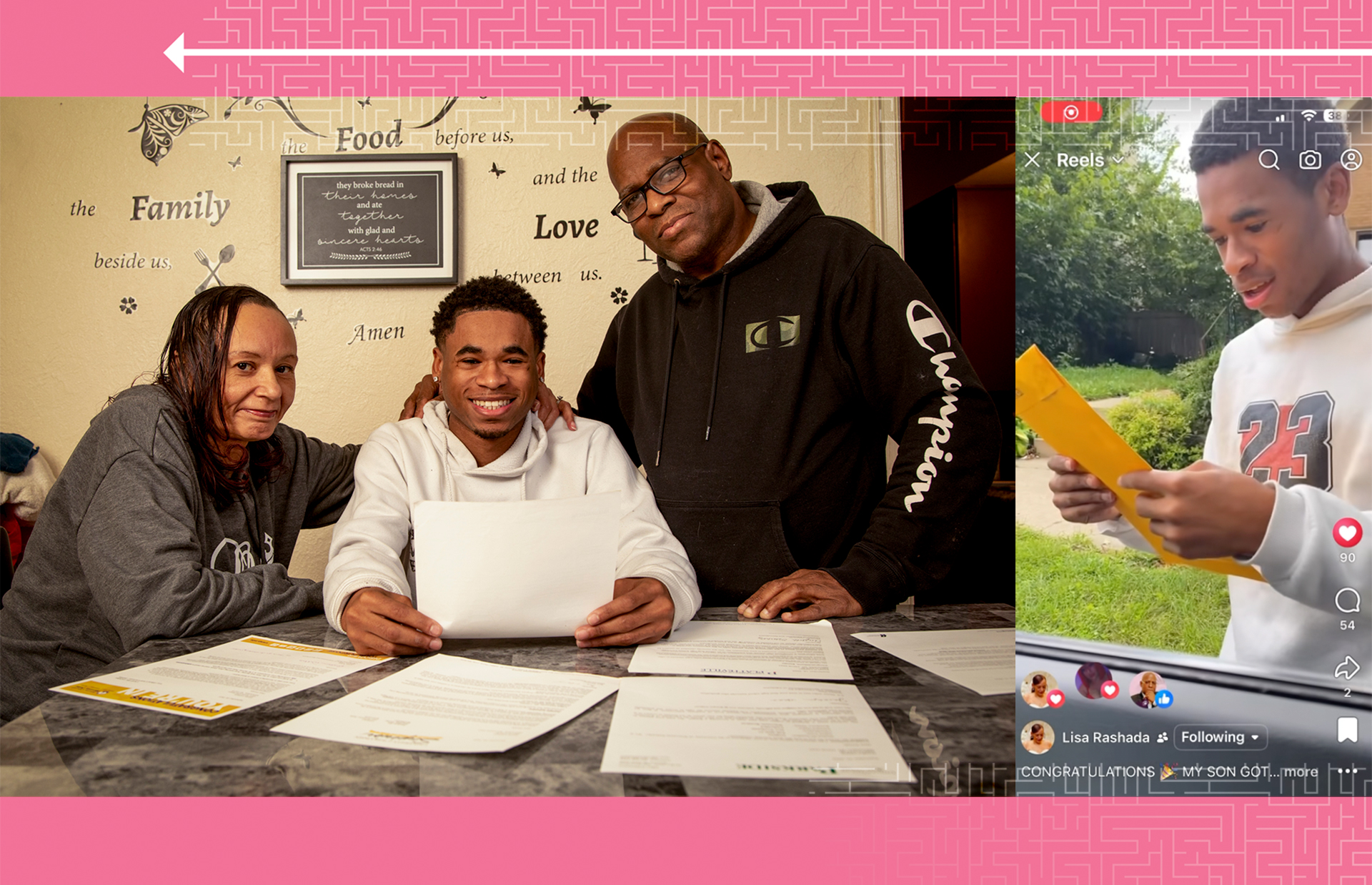
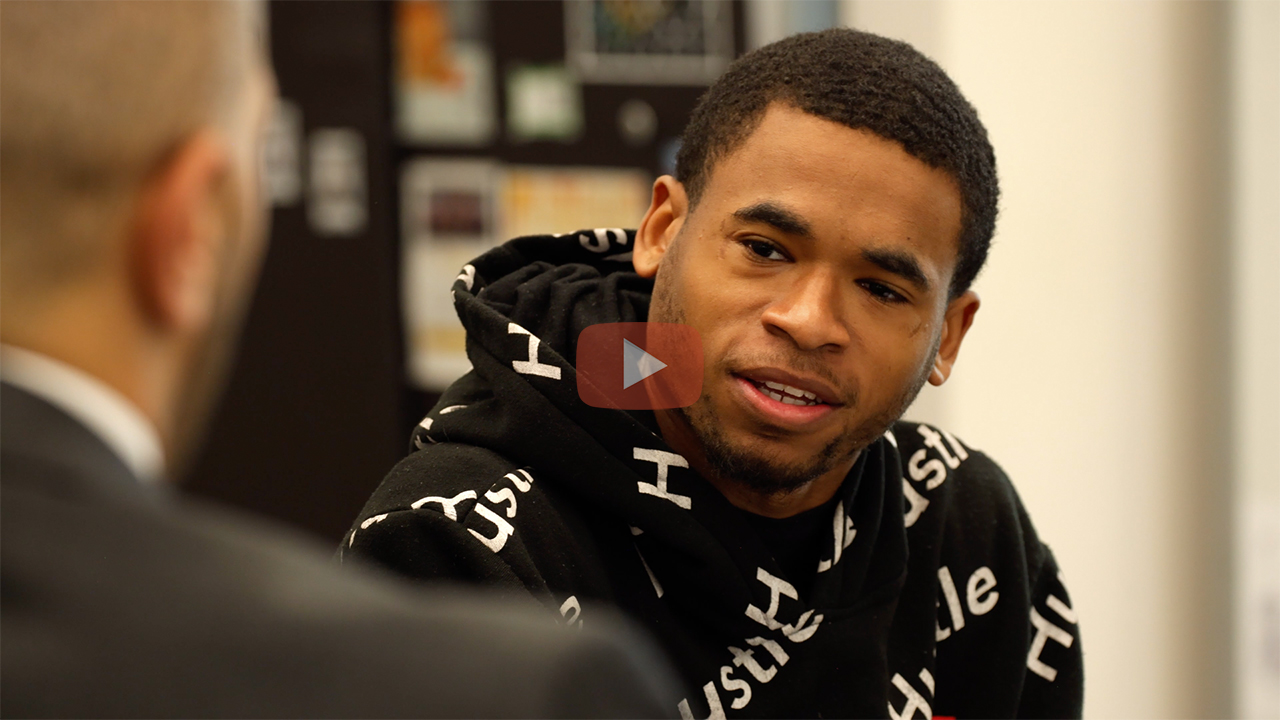
Still, direct admission is an important early step, as this issue of Focus magazine demonstrates. The stories that follow highlight the growing use of such programs—and the effects on students. In this issue, you’ll meet several students who are using direct admission as a new, more welcoming college pathway. In some cases, these young people weren’t even sold on pursuing education beyond high school until direct admission showed them the way.
For example, Milana Waggoner of Corona, California, admits she had doubts about her ability to succeed in college. She says she’s never been “really focused on studies.” But the ease and inclusiveness of California’s direct admission program gave her confidence. Through direct admission, she qualified for guaranteed spots at several colleges in the California State University system, ultimately choosing Cal State-San Bernardino, where she’s studying forensic science.
And Waggoner is just one of the featured students who have benefited from direct admission. Also in Southern California, you’ll meet Gabriel Flores, a high school senior who decided only recently that he wants to earn his degree and teach history, a path inspired by his history teacher at Rancho Verde High School in Moreno Valley. Before that, Gabriel wasn’t considering college and “had no idea what to do” when it came to applying. The direct admission program made it easy for him to apply to several Cal State schools. The program’s waiver of application fees made it financially painless.
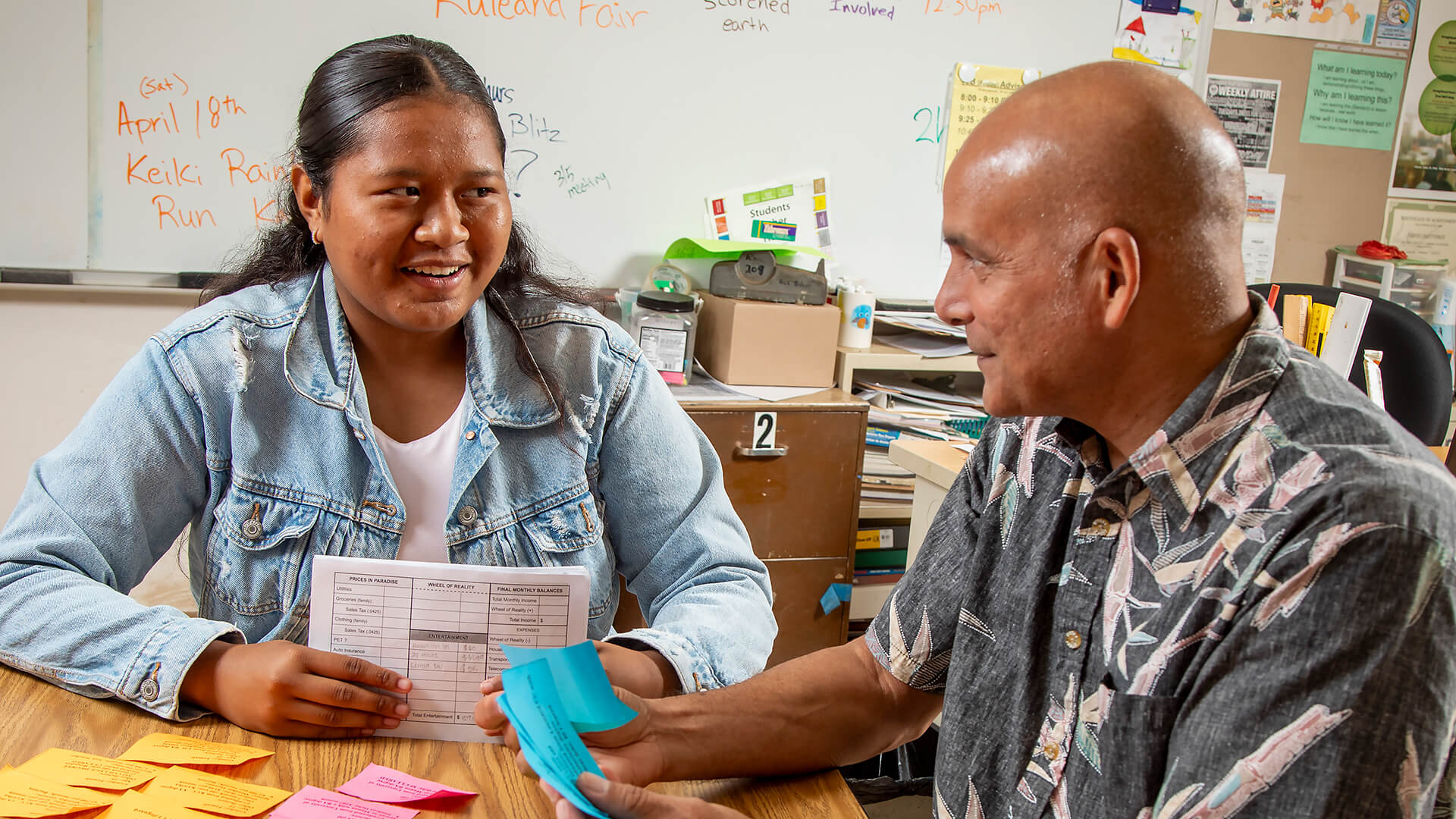
In Hawaii, you’ll read about Rianna Milne and Noa Arriesgado, seniors at Honolulu’s Farrington High School who are taking an admirably practical approach to college. They used the state’s Direct2UH program to gain guaranteed admission to state universities. Both plan to start college this fall at less costly institutions: Rianna at Kapiolani Community College and Noa at Honolulu Community College. The four-year option remains open to them.
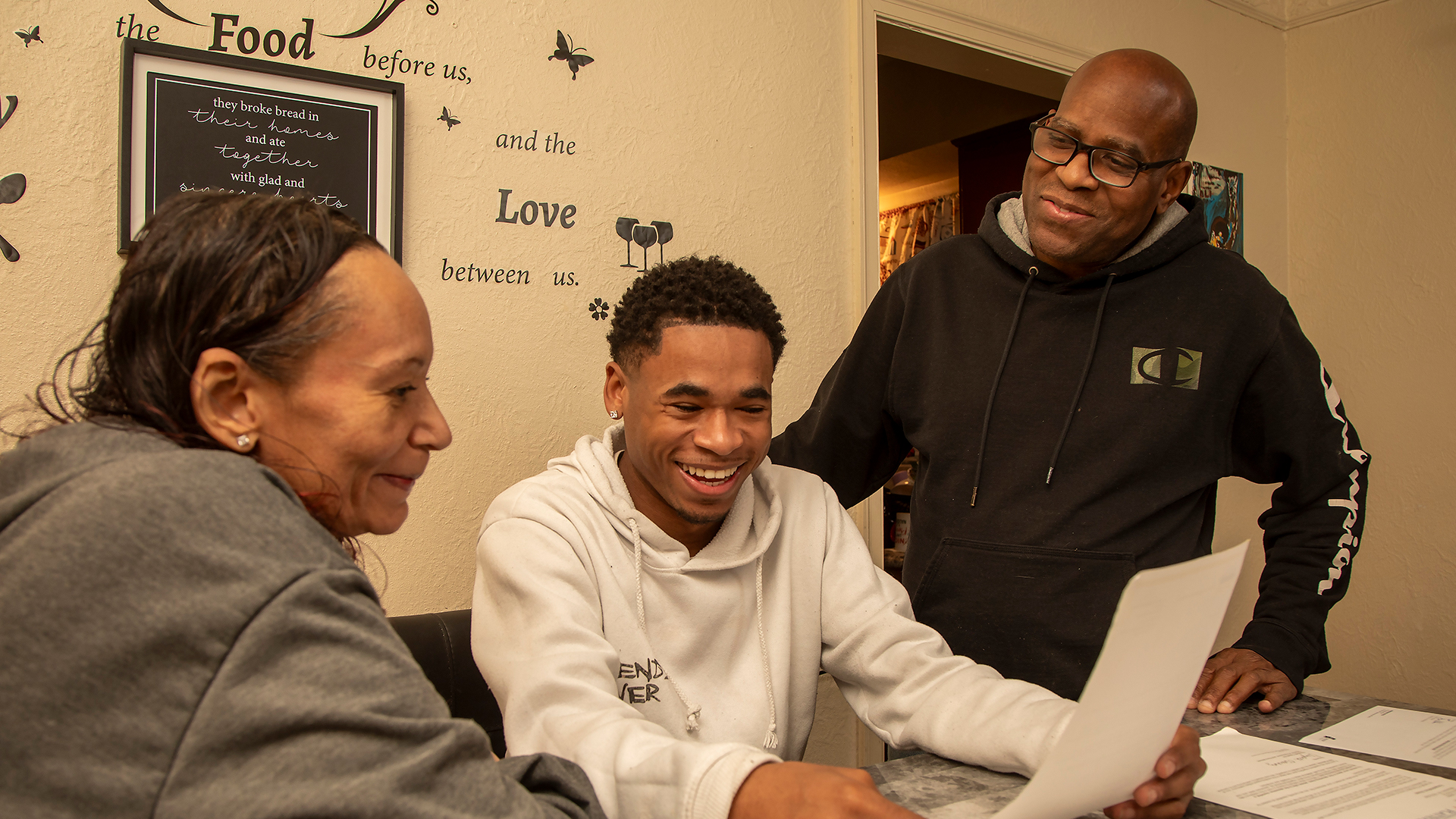
And in Wisconsin, you’ll meet two other students who see direct admission as a way to broaden their college-going options. CaMiyah Coad, a senior at Milwaukee’s South Division High School, hopes to attend college out of state, at a selective historically Black school such as Howard University or Spelman College. But as a backup plan, she’s using the Milwaukee Direct Admit program—what she calls “the fastest and easiest way to get into college”—to secure a spot at an in-state university. And Eiziah Lieblein, a senior at Milwaukee Marshall High School, says direct admission has given him the confidence and direction he lacked as a ninth-grader. “I was immature at the time,” he admits. “My head wasn’t where it was now.” Today, holding acceptance letters from several institutions, he’s eager to begin college.
In addition to the stories and photos in this printed version of the magazine, you’ll find more on our website, www.luminafoundation.org. There, Focus offers several extra features, including compelling videos of these students and links to related content.
Whether online or in print, all these stories—and the experiences of thousands of other young people across the country—demonstrate the promise of direct admission. Those programs, along with other efforts to broaden and demystify the college application process, are vital steps toward opening the door to learning beyond high school.
Sadly, that door remains closed to far too many students. And their missed opportunities aren’t just personal. The full weight of their unrealized potential is a massive loss of talent, one that our nation can ill afford. That’s why we must all work together—as educators, as leaders, as policymakers, as parents—to push and hold open the door to college-level learning.
We at Lumina are committed to that effort, and we welcome your partnership.
 |
Jamie P. Merisotis President and CEO Lumina Foundation |
Writing | Jamaal Abdul-Alim
Editing | David S. Powell and Stephanie Wang
Editorial assistance | Ruth Holladay
Photos | Shawn Spence
Video Reporting: Grace Trahan
Video Production: Michael Jensen
Design | IronGate Creative