As College Decision Day arrives, students and families across the country are making one of the most personal, and often overwhelming, decisions they’ve faced so far.
I spend a lot of time thinking about paths to college in the abstract. But going through the admissions process with my daughter, Harper, made it personal and far more confusing than I expected.
Whether you’re 18 choosing a college, or 38 weighing a return to learning, the stakes are personal, the options overwhelming, and the “right” answer far less clear than we’d like.
Despite being steeped in this work, I found myself mystified by the admissions process as I toured colleges with my daughter. We went in knowing a few things that she wanted: to feel a sense of belonging, to grow and prepare for the future, and to find a community of “her people.” We knew colleges consider more than grades, and heard repeatedly that a student’s academic performance, course rigor, extracurriculars, and essays mattered. But what we discovered was anything but a clear roadmap.
Harper’s track record includes perfect grades, AP and honors courses, high test scores, and a long list of extracurriculars. On paper, she was a very strong candidate, but she faced unexpected setbacks during her search.
In the end, it worked out—but the journey included tears, confusion, and plenty of guesswork. The process felt harder, and far less transparent, than it needed to be.
Shifting landscapes
What struck me most was how much the admissions landscape has shifted. Strong grades and a solid academic record are no longer guarantees, even at many public institutions. It clicked when I heard my alma mater, the University of Wisconsin-Madison, described as a “public Ivy”—a top-tier public university with the academics and prestige of Ivy League schools, but at a lower cost. This isn’t the same process I went through; it’s a whole new landscape of choices. It requires students to navigate complexity, weigh tradeoffs, and make decisions with imperfect information.
As she visited 14 schools over two years—we were fortunate to have the time and funds to invest—she applied to 10, was accepted at six, waitlisted at two, and denied at two. A few lessons emerged, ones that felt true not just for Harper, but for anyone facing a stressful education decision:
- There’s no “right” path. There wasn’t one clear answer for Harper, only the right fit. Multiple paths can lead to meaningful futures. For high school seniors, that might mean finding a campus community where they feel they belong. For adults returning to education, it might mean flexibility, affordability, or a program that fits work and family responsibilities. But what stood out most in each visit was not the rankings or amenities—it was the people and the sense of community and belonging.
- Every experience adds clarity. Even campuses that weren’t a good fit helped refine what Harper wanted. Each visit clarified preferences—size, location, culture, housing, academics. Sometimes what doesn’t feel right is just as valuable.
- Support systems are essential. No one figures it out alone. Whether it’s a parent on a college road trip, a counselor offering guidance, or an advisor helping navigate enrollment, support makes a huge difference. Choosing a school requires researching options, understanding admissions, completing financial aid applications, and comparing programs. This complexity extends beyond traditional students. Adults returning after years away from education face similar challenges, balancing work, family, and finances.
- The process is emotional, and that’s OK. Our journey brought both excitement and disappointment. Competitive admissions rates, selective programs, and shifting expectations created uncertainty. There were moments that didn’t make sense, students who seemed like perfect matches were denied, while others were admitted. Meanwhile, TikTok college counselors (viewed heavily by Harper during this process) shared predictions about what schools wanted, while the real outcomes often defied those tidy narratives. It’s a reminder that admissions decisions aren’t purely data-driven. They’re also human.
Personal and imperfect
Clearly, this process isn’t just competitive—it’s imperfect, expensive, and deeply personal. Students invest time, money, identity, and hope into these decisions that don’t always follow a clear logic.
Nor does the uncertainty end at age 18. Adults navigating a return to education often wrestle with the same questions about belonging and affordability. Whether choosing a first college or a new direction later in life, there are many ways forward, and meaningful paths are rarely linear.
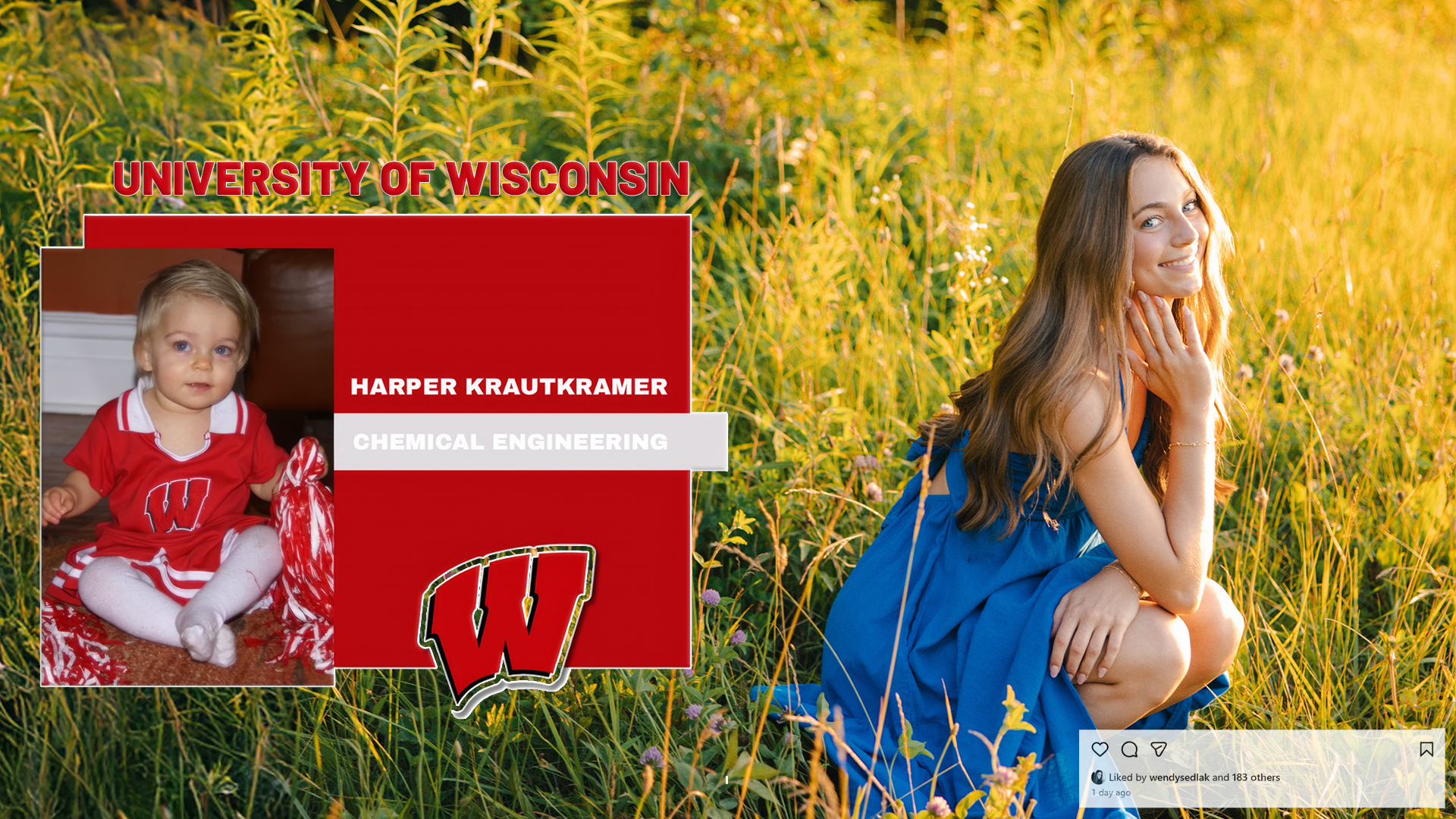
Congratulations to all the students who have made their college decisions this spring. In the end, Harper decided on the University of Wisconsin-Madison for chemical engineering, my alma mater. It came down to fit and feeling comfortable—she chose a strong academic school on a beautiful lakeshore with a national sports program and a diverse student body.
Wherever you’re headed, may you find community, opportunity, and the confidence to grow. The path might not be clear or linear, but that doesn’t mean it’s the wrong one.
[Wendy Sedlak, Ph.D., is the strategy director for research and evaluation at Lumina Foundation, which works to help all Americans continue to learn after high school. In her role, she establishes and synthesizes the evidence and data needed to advise Lumina’s strategy, documents effective practices, and measures progress. Sedlak earned a bachelor’s degree in anthropology and sociology from the University of Wisconsin–Madison, and master’s and doctoral degrees in sociology from Temple University.]