The report /Users/matthewjenkins/Downloads/Mathematica/Section 1/National SAP Evaluation_Final_October2026.pdf examines “satisfactory academic progress” (SAP)—rules requiring students to maintain a minimum GPA, complete enough attempted courses, and finish within a set time to keep federal financial aid. It estimates that 13% of undergraduates—more than 1.8 million students—failed SAP in the spring 2025 evaluation period. Failure rates were highest at…
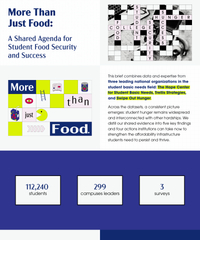
Not having enough food can make it harder to stay in college and finish a degree. Surveys of participating colleges suggest that roughly four in ten students experience food insecurity.
Texas students in P-TECH programs were more likely than classmates outside the programs to finish high school, enroll in college, and earn a college credential.
Getting into college is only the beginning: Students also need the academic guidance, financial stability, and everyday support that make finishing possible.
This Lumina Foundation profile looks at Illinois' effort to connect short-term credentials with anti-poverty strategy, workforce development, and economic mobility.
This Lumina Foundation profile examines North Carolina's work to make short-term credentials a stronger part of the state's education-to-workforce strategy.
Personal coaching can help students turn educational goals into manageable steps while giving colleges a clearer view of the obstacles that interrupt progress.
Colleges face growing pressure to help students finish their degrees and prepare for careers, even as advisors juggle heavy caseloads and tight budgets.
For adults returning to college, a degree's value includes better job opportunities, greater confidence, and a different future for their families, alongside the money and time it takes to finish.