Search
Filter By Topic
Filter By Section

Wherever I go, everyone asks a version of this question: Do people still need to go to college when artificial intelligence seems able to do more and more of our jobs? I get why this keeps coming up. The scary-fast advancement of AI has whipped up a frenzy of uncertainty over how AI will replace […]
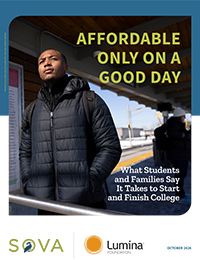
The way policymakers define college affordability differs from how students and families actually experience it. Policy tends to factor in only the tuition price. But a scholarship that covers tuition and nothing else leaves students stranded. This report from Sova, which draws on 20 focus groups with 200 people in Florida, Michigan, Minnesota, Texas, and […]

The chief financial officer oversees the foundation’s investments, finance and accounting, and impact investment functions to uphold the highest standards of integrity and deliver optimal results in advancing the foundation’s mission.

Despite skills-based hiring shifts and the rise of AI, employers still value college degrees. For years, the future of work has seemed to be pointing away from the college degree. Companies have dropped degree requirements from job postings. States and employers have embraced skills-based hiring. Artificial intelligence is beginning to reshape entry-level work. And recent […]

Washington Monthly’s rankings look beyond prestige to ask which colleges serve students well, keep costs manageable, and create opportunity.
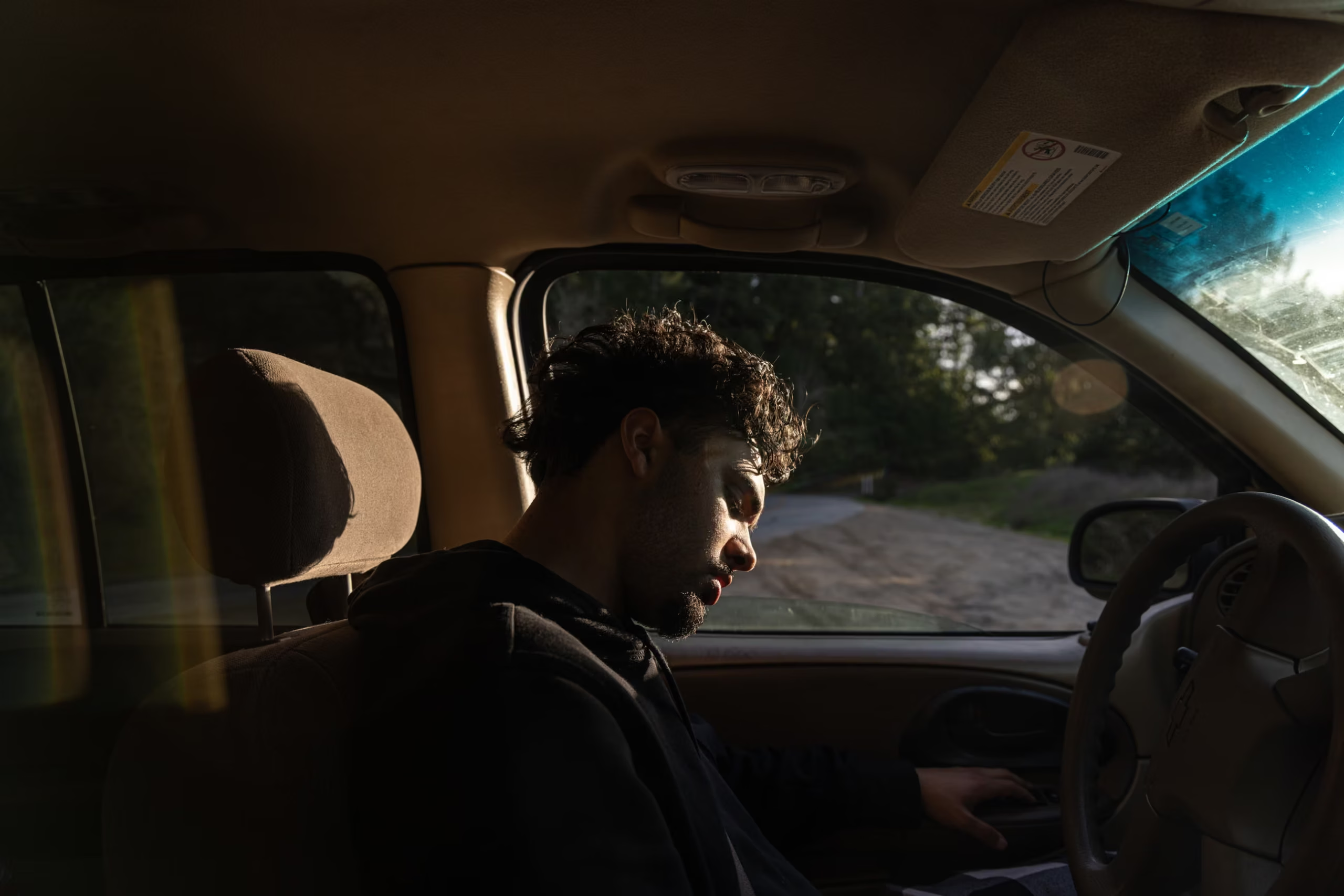
They all begin college with hope, and leave without the credential they believed would shape the rest of their lives due to financial instability, family, illness
This Lumina Foundation profile looks at Illinois’ effort to connect short-term credentials with anti-poverty strategy, workforce development, and economic mobility.
This Lumina Foundation profile examines North Carolina’s work to make short-term credentials a stronger part of the state’s education-to-workforce strategy.

Kim Williams manages Lumina’s employee benefits and retirement programs.
In 2023, the Supreme Court ruled in SFFA v. Harvard that race-conscious admissions policies violate the Equal Protection Clause of the Fourteenth Amendment and Title VI of the Civil Rights Act. The decision had an immediate impact on how colleges and universities determine who gets into their institutions. Three years after the ruling, researchers and […]

Discover the journeys of individuals pursuing post-secondary education, including those more likely to be adults, working, and raising children while trying to get ahead in the job market.

This Citizens & Scholars report looks at the growth and early results of College Presidents for Civic Preparedness, a coalition of college presidents working to make civic preparation part of every student’s college…

Higher education has room to serve more people. Preserving that opportunity will require strategic choices about what each institution offers—and what they can offer collaboratively. A healthy tree does not grow by keeping every branch. In an environment of finite sunlight, water, and nutrients, unchecked growth can weaken the whole. Thoughtful pruning directs resources toward […]
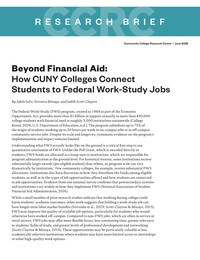
The Federal Work-Study (FWS) program provides more than $1 billion in support annually to more than 450,000 college students with financial need nationwide.
For decades, America has enjoyed an extraordinary competitive advantage that we rarely talk about: many of the world’s most talented people have wanted to study here. We have gotten so accustomed to this advantage that we seem to assume it will always exist. It won’t, and the warning signs are beginning to flash. International graduate […]
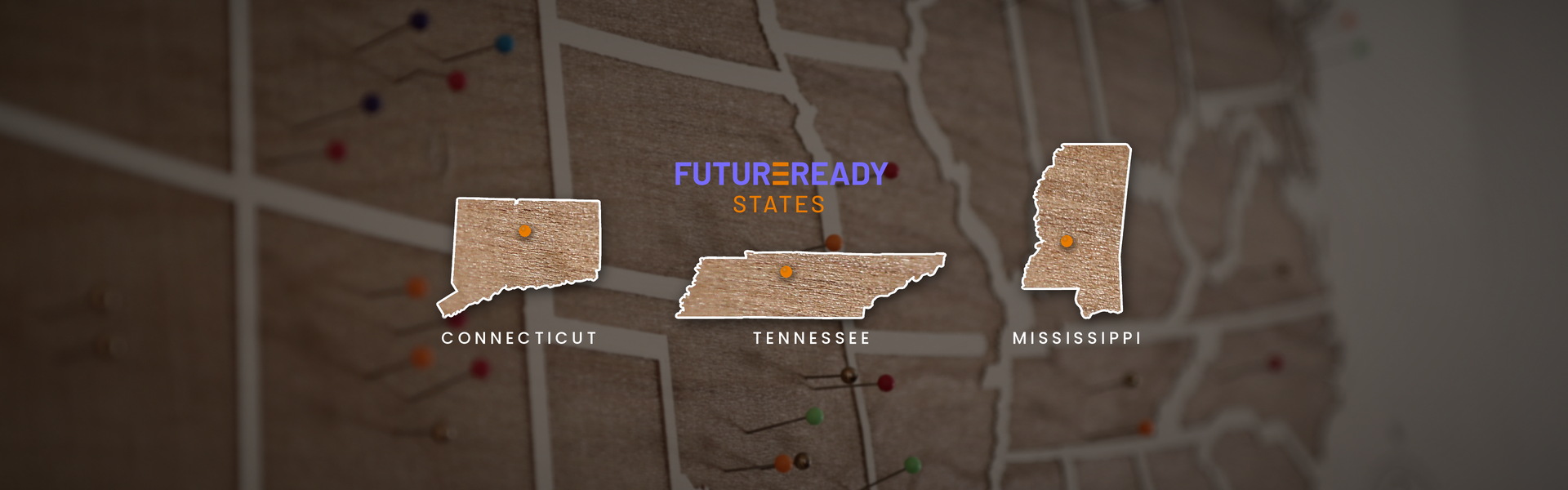
This year, I’ve traveled 18,000 miles visiting 12 states across the country to learn how education and business leaders are strengthening the connection between learning and work. As employers struggle to find skilled workers and learners seek faster, more affordable pathways to good jobs, policymakers are refining what it means for a credential to have […]
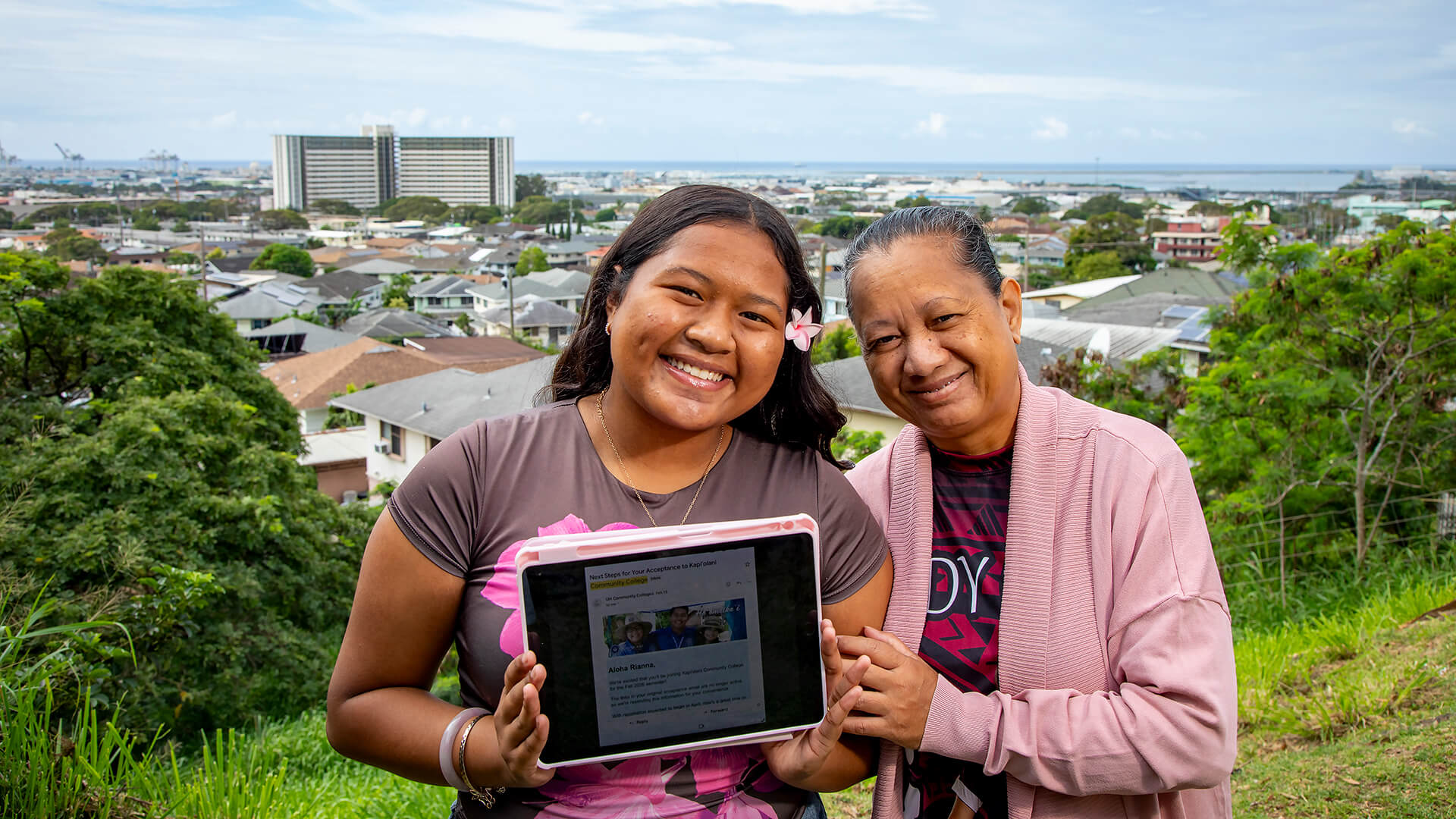
Direct admission programs help untangle the college application maze. In these stories, you’ll meet several students who are using direct admission as a new, more welcoming college pathway

A project to improve the value of workforce credentials
This Community-Engaged Alliance research brief examines how Indiana college students understand and participate in civic engagement.
This Lumina Foundation profile describes how Mississippi is using data to decide which short-term credentials are worth students’ time and money.
Newsletter and publications
Updates from the worlds of learning and work—free in your inbox.
Lumina Daily News is a daily update on post-high school learning from all the top sources we follow. Focus magazine dives deeper into stories reflecting Lumina's mission: to extend the benefits of education and training after high school to all of today’s students.
"*" indicates required fields