Search
Filter By Topic
Filter By Section

This Citizens & Scholars report looks at the growth and early results of College Presidents for Civic Preparedness, a coalition of college presidents working to make civic preparation part of every student’s college…
Higher education has room to serve more people. Preserving that opportunity will require strategic choices about what each institution offers—and what they can offer collaboratively. A healthy tree does not grow by keeping every branch. In an environment of finite sunlight, water, and nutrients, unchecked growth can weaken the whole. Thoughtful pruning directs resources toward […]
The Federal Work-Study (FWS) program provides more than $1 billion in support annually to more than 450,000 college students with financial need nationwide.
For decades, America has enjoyed an extraordinary competitive advantage that we rarely talk about: many of the world’s most talented people have wanted to study here. We have gotten so accustomed to this advantage that we seem to assume it will always exist. It won’t, and the warning signs are beginning to flash. International graduate […]
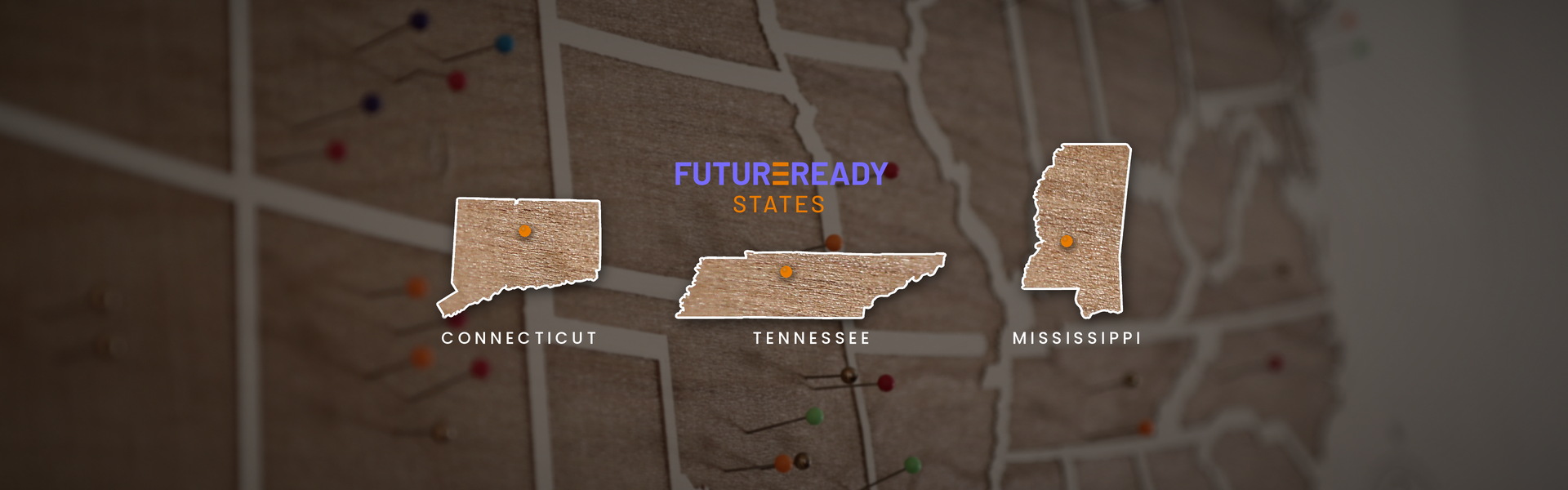
This year, I’ve traveled 18,000 miles visiting 12 states across the country to learn how education and business leaders are strengthening the connection between learning and work. As employers struggle to find skilled workers and learners seek faster, more affordable pathways to good jobs, policymakers are refining what it means for a credential to have […]
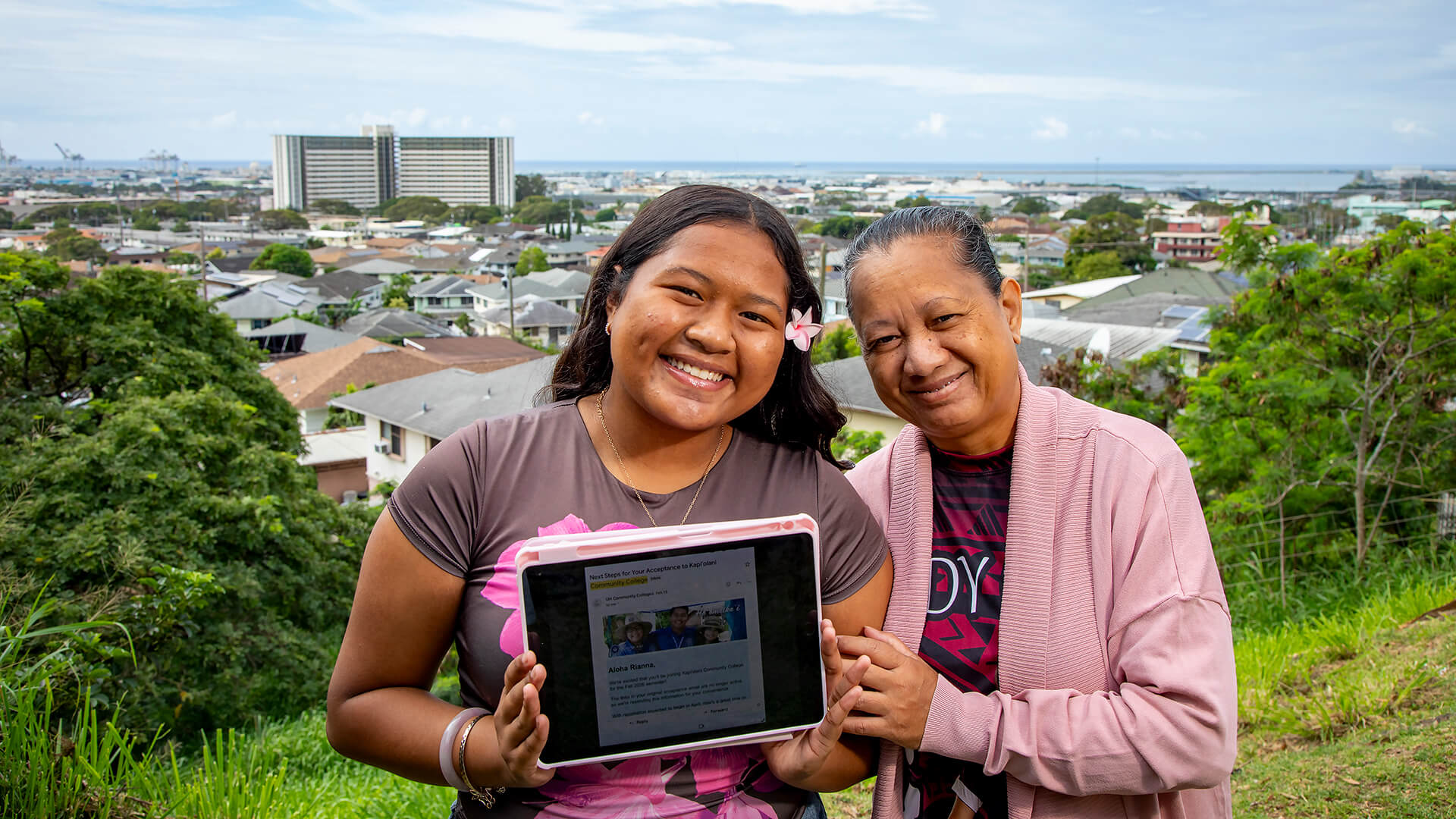
Direct admission programs help untangle the college application maze. In these stories, you’ll meet several students who are using direct admission as a new, more welcoming college pathway
A project to improve the value of workforce credentials
This Lumina Foundation profile describes how Mississippi is using data to decide which short-term credentials are worth students’ time and money.
This Lumina Foundation profile looks at Tennessee’s work to make short-term credentials clearer, more useful and more connected to good jobs.
This PERIL report explains how online male supremacist ideas and the broader manosphere can affect college campuses.
This UnidosUS report looks at why many Latino students who want to finish college are still pushed off track.
This Lumina Foundation profile explains how Connecticut is trying to build stronger routes from education and training into good jobs.
AIR’s Guide to Higher Education Federal Earnings Data, written by Dr. Alexandria Walton Radford of Sova, provides a side-by-side comparison of four federal sources of postsecondary earnings data: the Student Tuition and Transparency System (STATS), College Scorecard, Census Bureau’s Post-Secondary Employment Outcomes (PSEO) Explorer, and IRS-supported Secure Query System. The guide compares their purposes, earnings measures, populations, and coverage; examines potential financial aid and reputational implications; and identifies opportunities for institutions to use these data to better understand program outcomes and support institutional improvement.
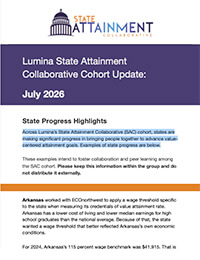
Across Lumina’s State Attainment Collaborative (SAC) cohort, states are making significant progress in bringing people together to advance value- centered attainment goals. See examples of state progress.
Advancing an Aspirational Vision for Higher Education
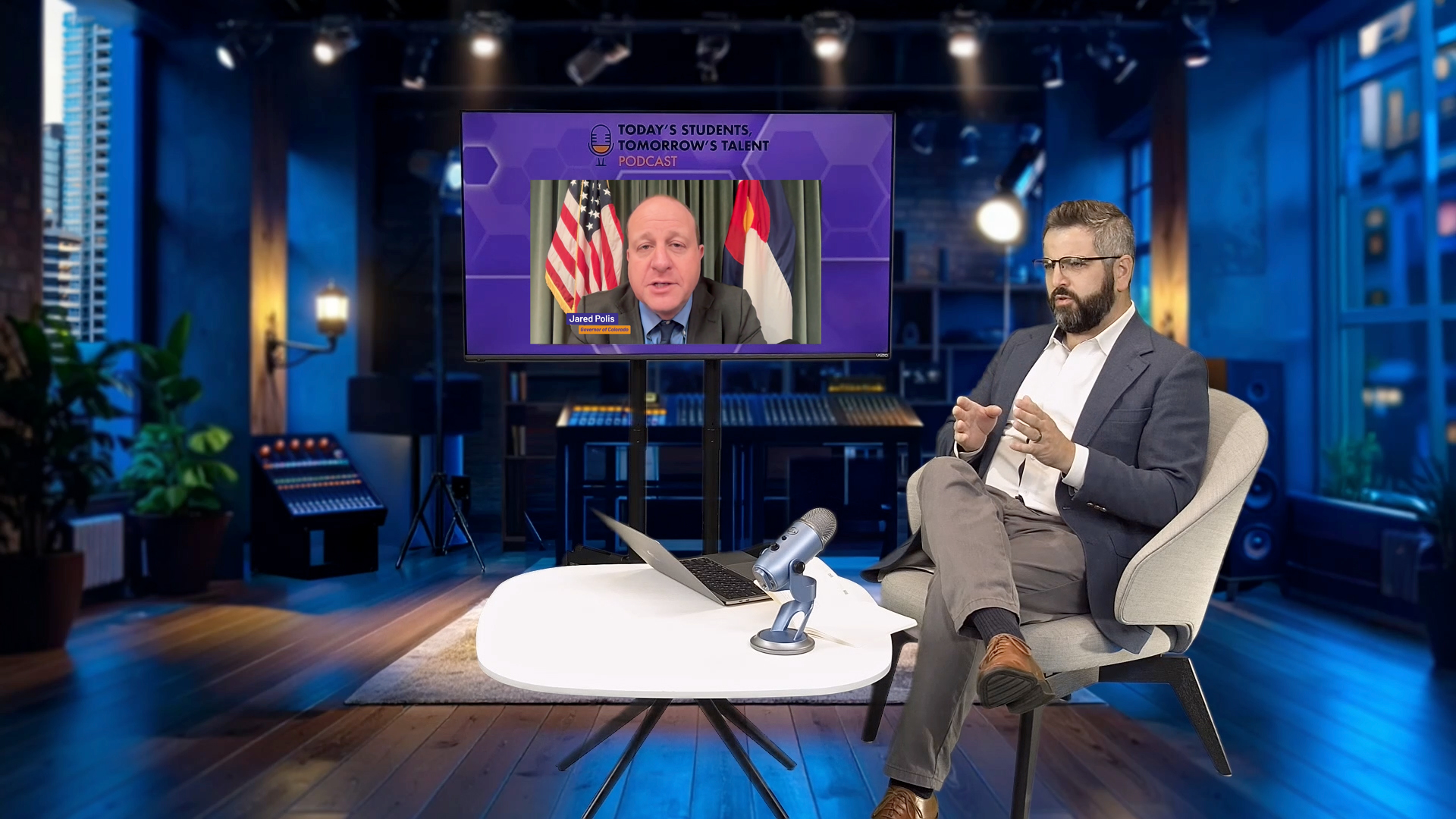
The demand for short-term credential programs is growing, and state leaders are responding. In 2025, a total of $8.1 billion was spent across 34 states to help students and institutions deliver high-quality, short-term education and training programs. This growing state investment, combined with Workforce Pell, has states contending with new issues: How will states approve […]
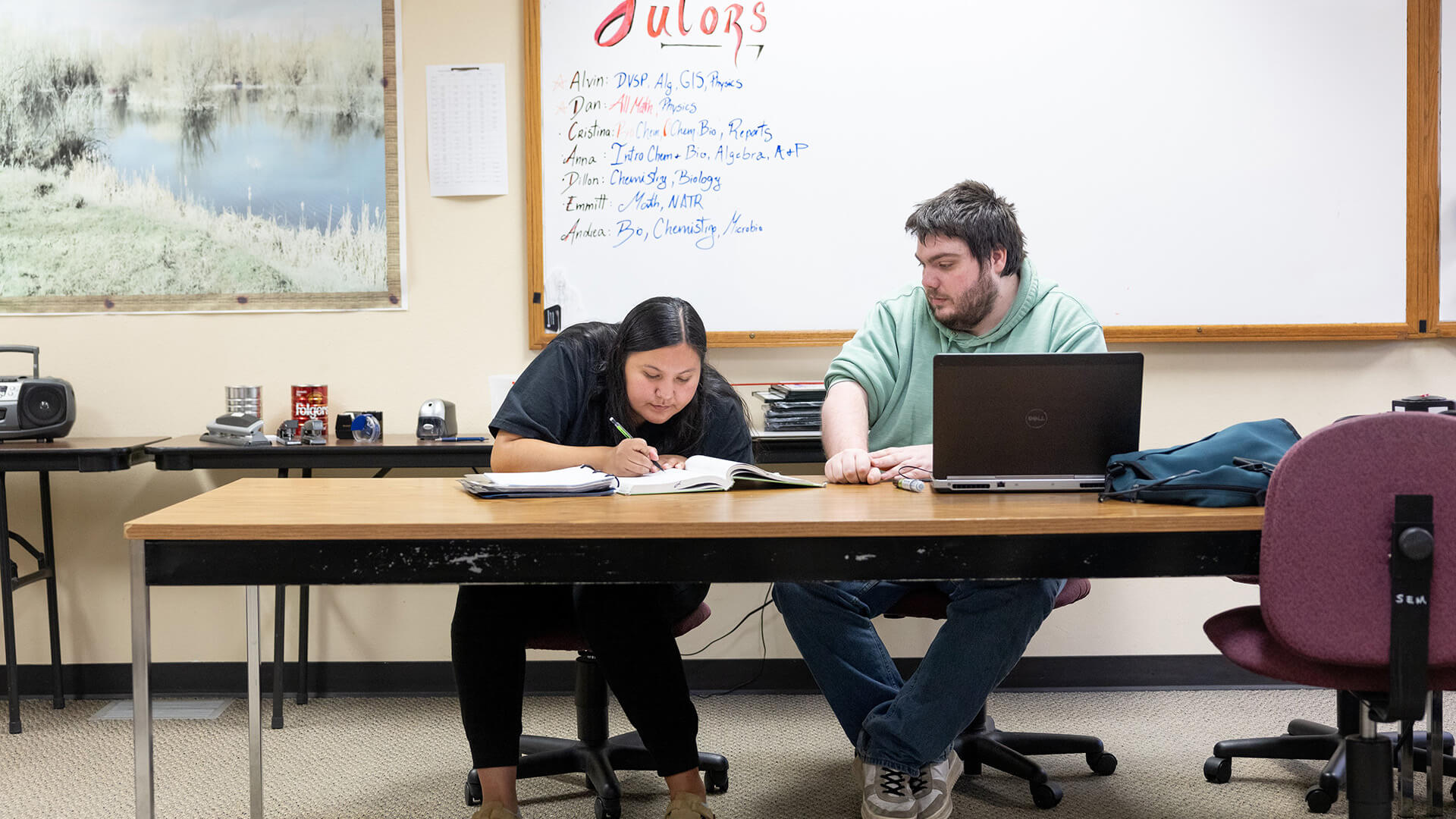
Not everyone has to go to college, but everyone should know if they could. Across the country, thousands of students are finding out about their college options without having to apply. They’re already in, based on how they do in high school. Direct admission programs are clearing the way to college, instead of hoping students […]
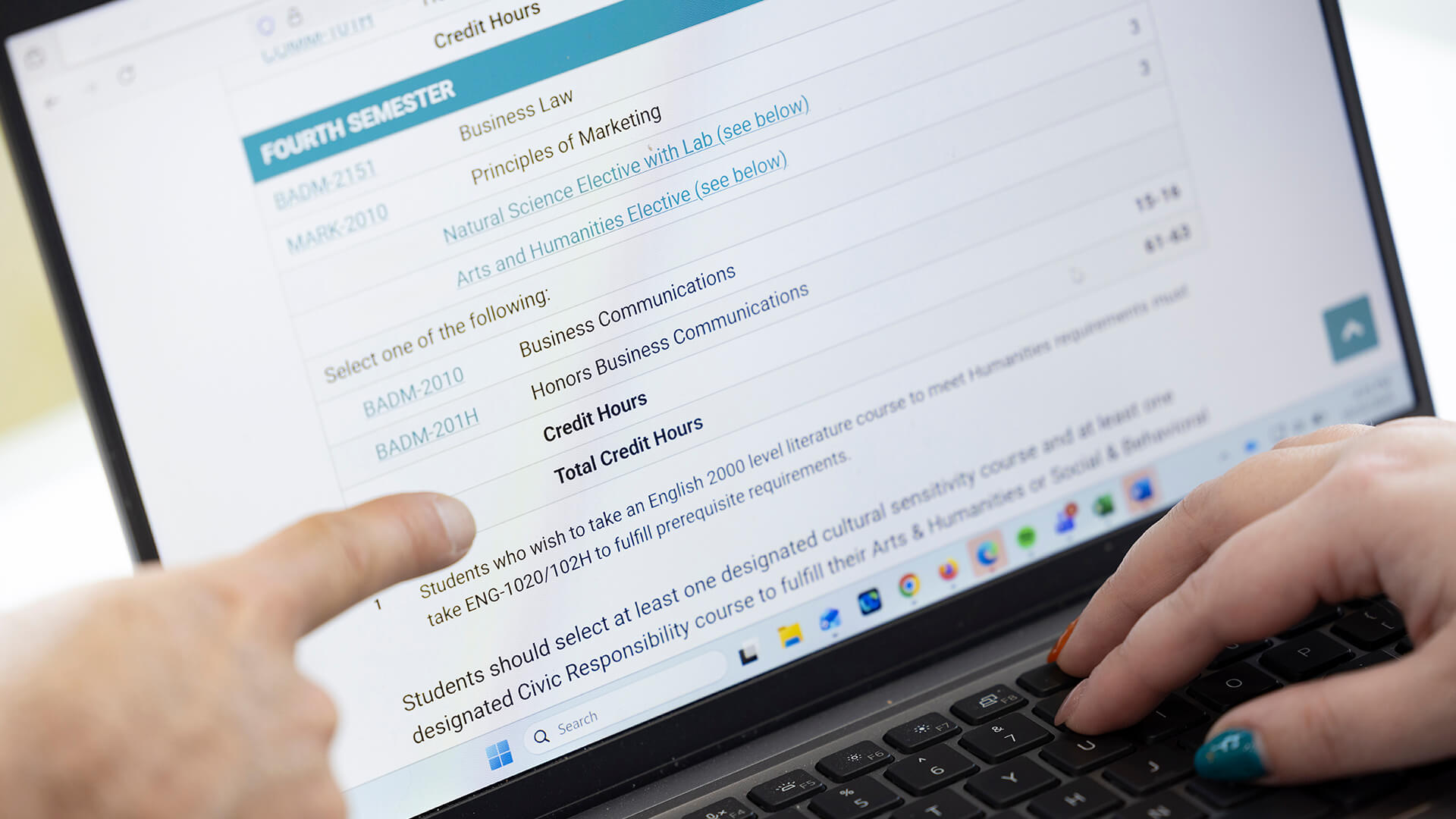
A student’s course schedule is one of the most consequential (and often overlooked) factors shaping whether they stay on track for their degree or credential. Yet the path to earning a degree or credential remains unnecessarily difficult for far too many students. Beyond juggling work, family, financial, and academic demands, they can also encounter barriers […]
This report looks at whether U.S. colleges and universities have more teaching capacity than they are actually using. In simple terms, it asks: do schools have enough students to match the number of instructors, programs, classrooms, and academic resources they have built? The report finds that, in many places, the answer is increasingly no.

“Where can I learn to fix boat engines?” my teenage son asked one day.
Newsletter and publications
Updates from the worlds of learning and work—free in your inbox.
Lumina Daily News is a daily update on post-high school learning from all the top sources we follow. Focus magazine dives deeper into stories reflecting Lumina's mission: to extend the benefits of education and training after high school to all of today’s students.
"*" indicates required fields