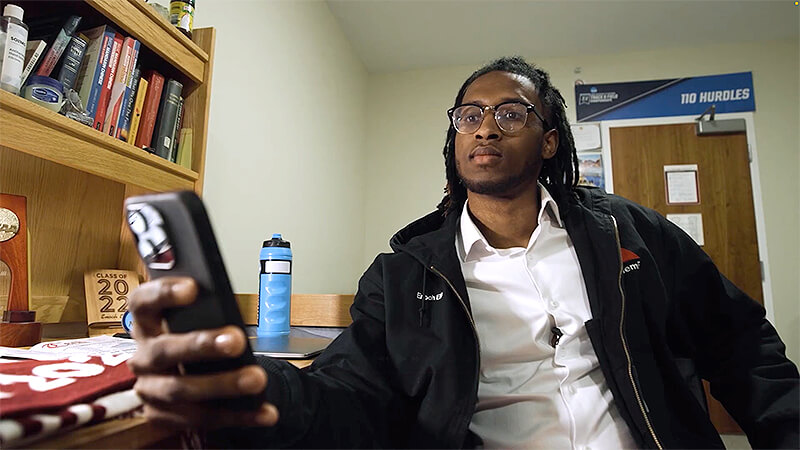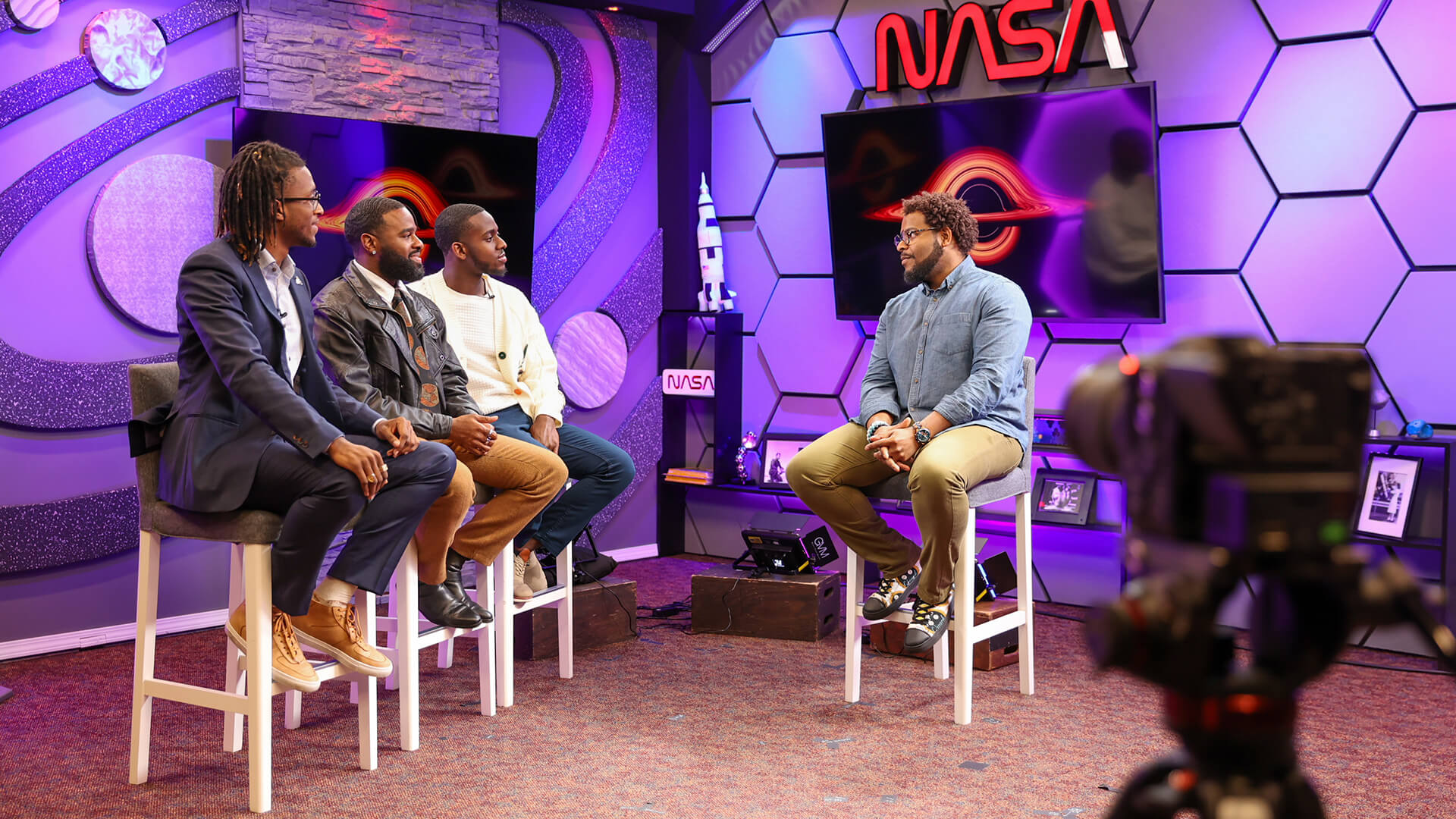
Morehouse College student Tobias Brown traveled the country to meet leaders—all Black men, like him, at the top of their fields, who could inspire his education and career dreams.
Together, they talked about learning from those who came before them and blazing trails for others. Tobias, the first in his family to go to college, reflected on the road trip:
“The sky is NOT the limit,” he wrote.
As we celebrate the 100th anniversary of Black History Month, Tobias’s soaring aspirations echo across generations. The achievements of Black Americans throughout history have made our country brighter in technological and medical innovation, stronger in democratic values and economic power, and more vibrant in arts, culture, and community life. Black history is American history, integral to the progress of the nation.
Black History Month often pays tribute to famous figures such as the late Jesse Jackson, who marched in the Civil Rights Movement with Martin Luther King Jr., ran for president twice, and sought to “transform the mind of America” through social justice activism. We think of prominent names, including George Washington Carver, whose scientific breakthroughs improved American agriculture; mathematician Katherine Johnson, whose calculations launched humans into space and put a man on the moon; and civil rights leaders such as Ida B. Wells and John Lewis, who pushed back on oppression to make the United States fairer and freer.
Black leadership shapes our communities in many ways, through influence in fields like higher education or as civic voices who make our cities and towns better places to live. Consider the contributions of longtime HBCU President Norman Francis, whose remarkable 47-year tenure shaped Xavier University of Louisiana; Illinois Poet Laureate Gwendolyn Brooks, who became the first Black author to win a Pulitzer Prize; and Dr. Frank Lloyd, who fostered community in Indianapolis as president of Methodist Hospital and founder of a bank, a radio station, and a mentoring organization.
Talent is everywhere, even when opportunity is not. What we owe the future is to expand opportunity so that the possibilities are limitless for everyone.
There’s a poetic synchrony in marking the centennial of Black History Month in the same year as America’s 250th birthday. These intertwined anniversaries have a lot to teach us about how our past shapes who we are as a nation.
Black History Month itself began as a weeklong celebration championed by historians and Black newspapers to ensure stories of Black Americans were taught in public schools.
Fifty years ago, President Gerald Ford issued a message that helped lead to the nationwide observances we recognize today. In that 1976 inaugural Black History Month statement, President Ford urged the country to “seize the opportunity to honor the too-often neglected accomplishments of Black Americans in every area of endeavor throughout our history.”
“Freedom and the recognition of individual rights are what our Revolution was all about. They were ideals that inspired our fight for Independence: ideals that we have been striving to live up to ever since,” Ford said.
We are still striving toward those ideals. Recognizing Black history as central to the American story is essential for a healthy democracy, as is addressing the present-day inequities and injustices that persist. As we write our evolving national narrative, we set the stage today for tomorrow’s history by cultivating hope and opportunity for young leaders like Tobias. How we show up matters.
At Lumina Foundation, we focus on what education and training must achieve by 2040 for people—and the nation—to thrive in a rapidly changing economy. Our shared prosperity depends on everyone having a fair chance to succeed. But still today, opportunity is not equal across race, ethnicity, income, or geography. And we know that a higher education system designed for the last century cannot fully meet the demands of the next one.

Americans—especially Black Americans, who too often still face systemic barriers—deserve a revamped system that is affordable, accessible, transparent, and valuable. They deserve pathways that equip them with the skills and credentials that lead to meaningful work, economic mobility, and a stronger society.
On Tobias’s journey, he joined fellow students Destin and Enoch in a documentary by Roadtrip Nation to explore what’s possible through higher education. Higher education is where aspirations take shape and gain momentum. America’s colleges and universities nurture curiosity, sharpen critical thinking, and elevate communication skills. They fuel innovation and research. They encourage the free flow of ideas and the study of our past, present, and future. They open doors to economic mobility.

Abolitionist Harriet Tubman famously said, “Every great dream begins with a dreamer. Always remember, you have within you the strength, the patience, and the passion to reach for the stars to change the world.”
Let’s build a better system that supports millions of Americans to pursue great dreams and change the world. We celebrate Black History Month by honoring leaders and dismantling barriers so that the sky is not the limit.
That is how we learn from the past—and how we prepare for the future.
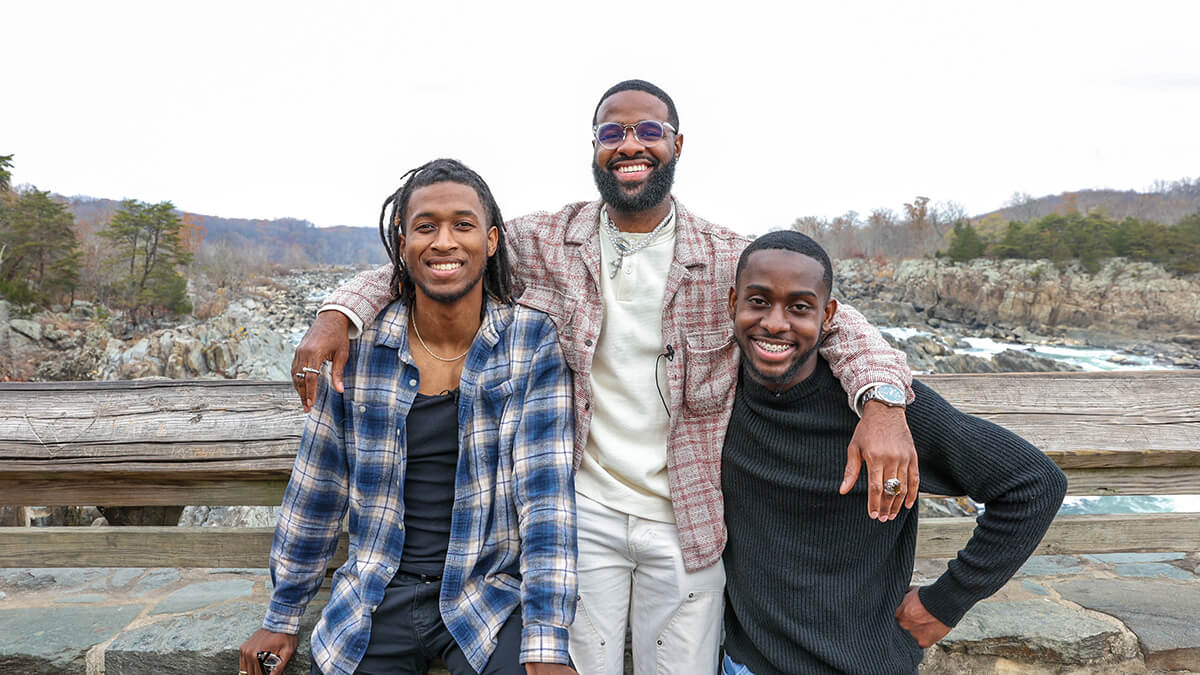
Some behind-the-scenes photos from the production of Black Men in Higher Ed. See more at Roadtrip Nation »
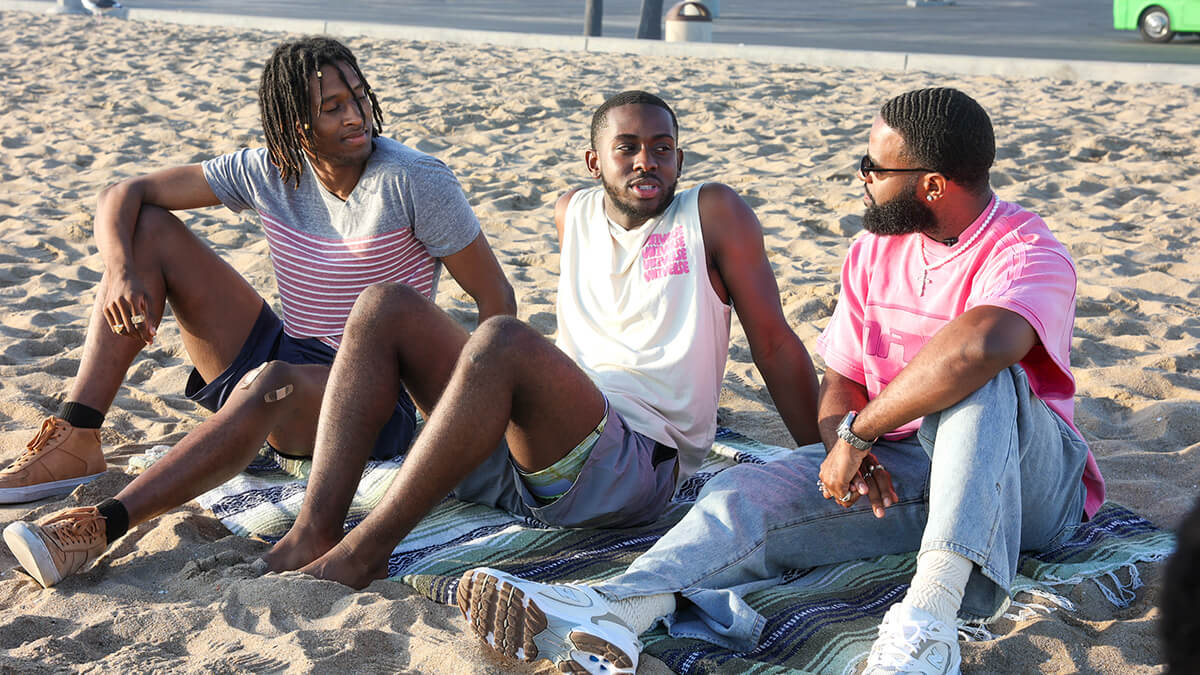
Some behind-the-scenes photos from the production of Black Men in Higher Ed. See more at Roadtrip Nation »
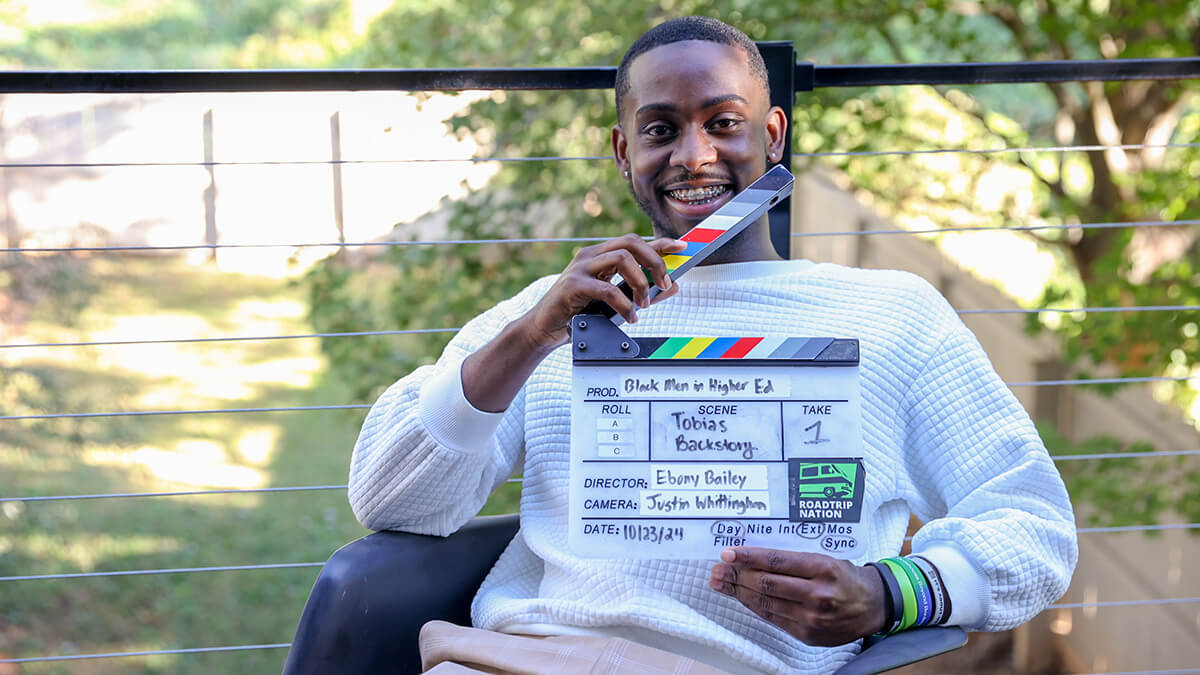
Some behind-the-scenes photos from the production of Black Men in Higher Ed. See more at Roadtrip Nation »
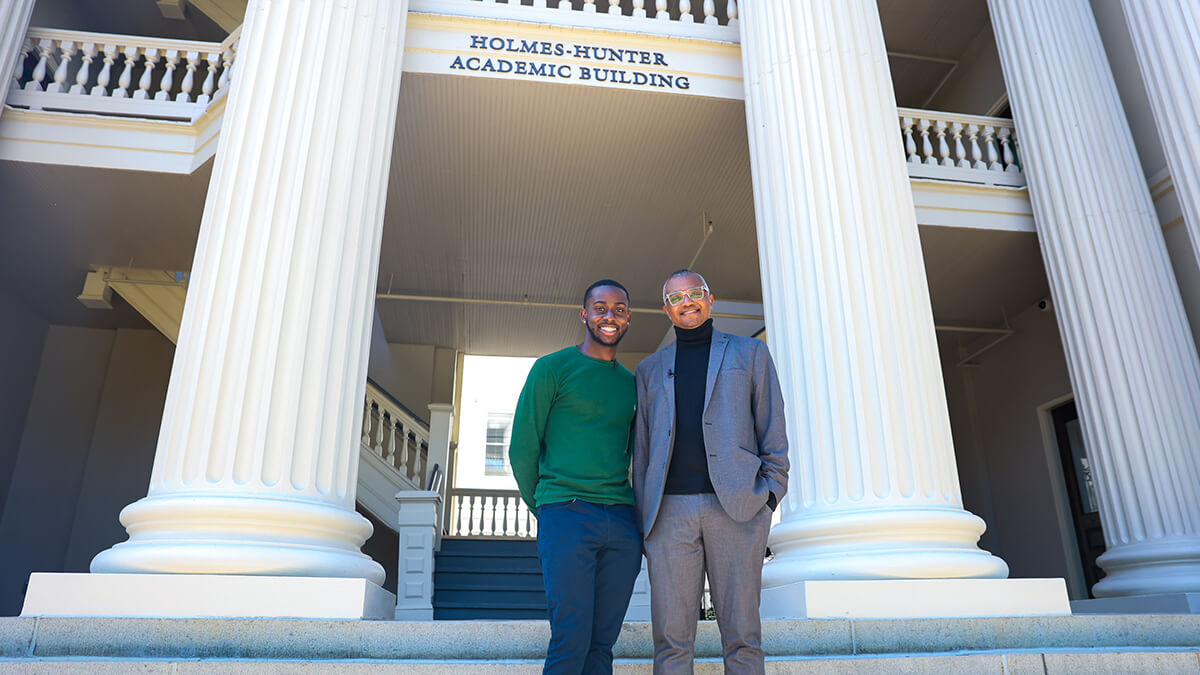
Some behind-the-scenes photos from the production of Black Men in Higher Ed. See more at Roadtrip Nation »
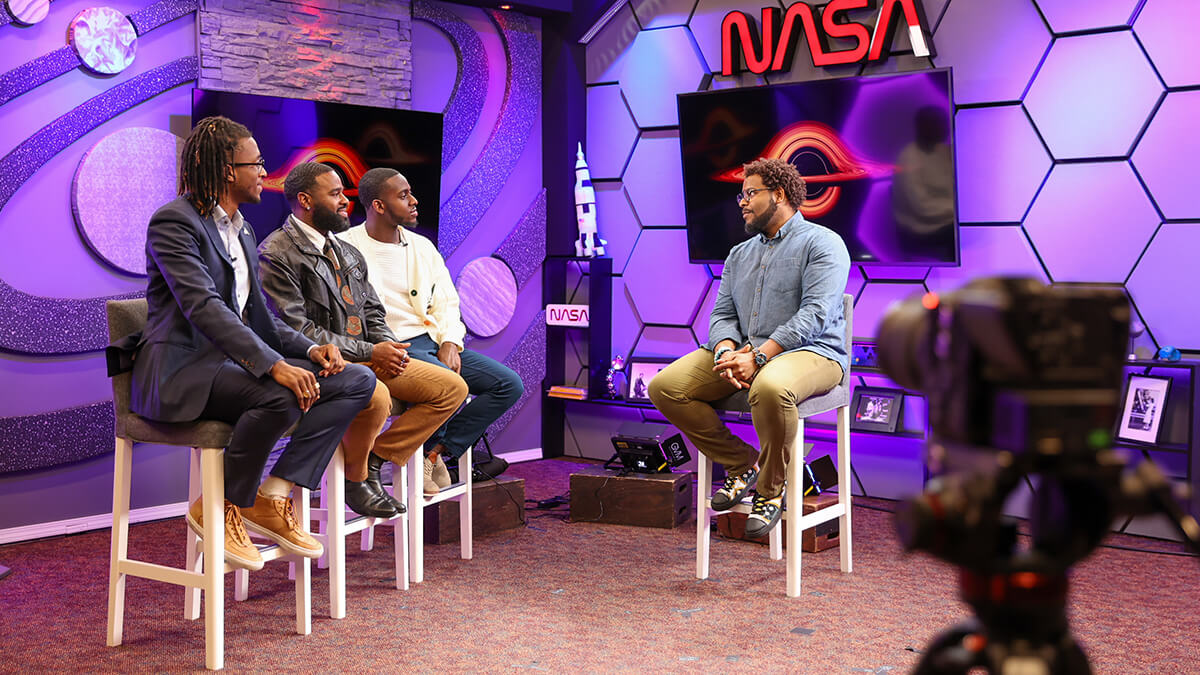
Some behind-the-scenes photos from the production of Black Men in Higher Ed. See more at Roadtrip Nation »

Some behind-the-scenes photos from the production of Black Men in Higher Ed. See more at Roadtrip Nation »
Roadtrip Nation is supported by Lumina’s Fact-Based Journalism strategy.