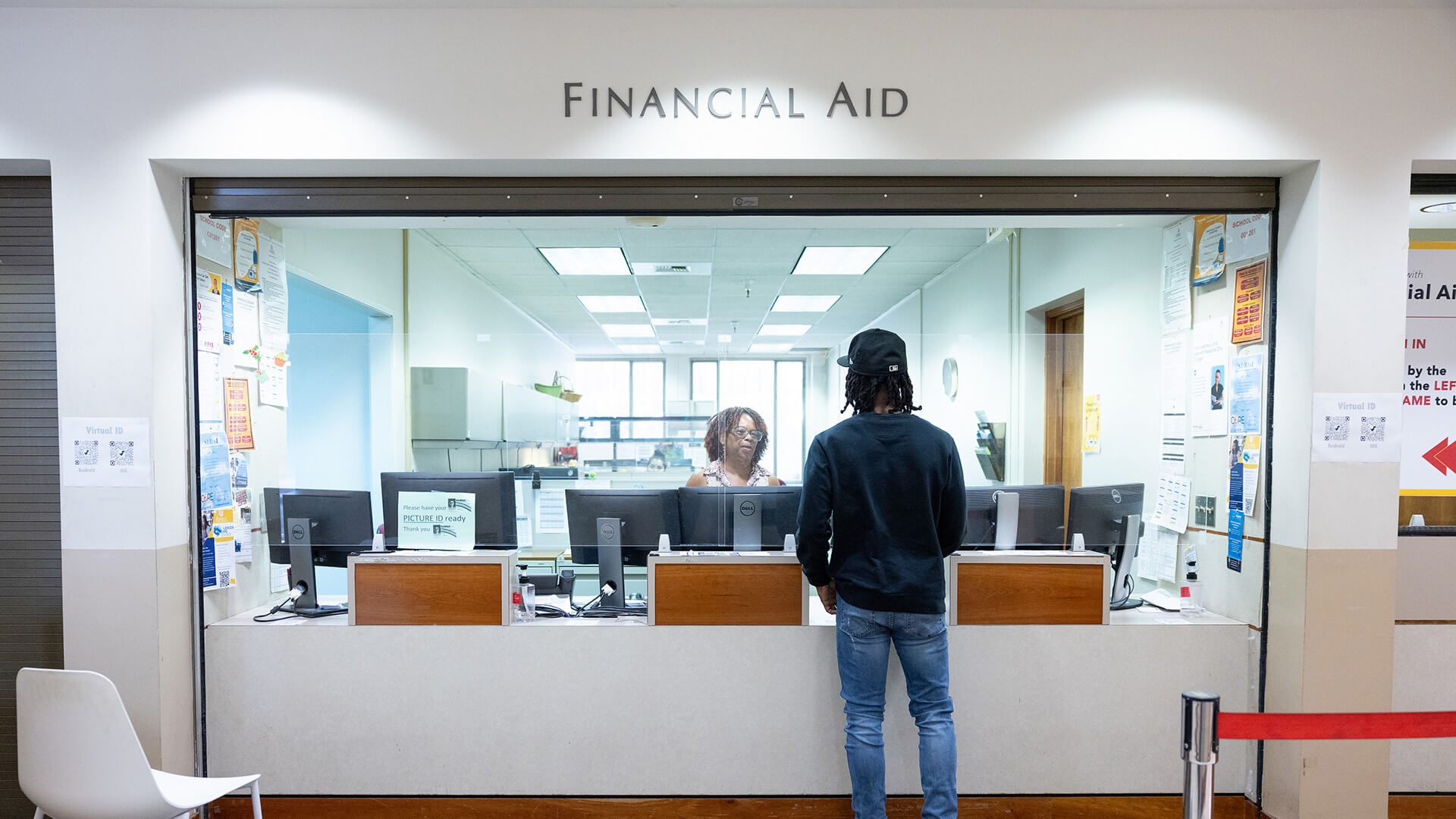
New national data show that nearly 1 million students lost federal financial aid after failing to meet satisfactory academic progress requirements.
For the first time, we have a national picture of how many college students fail to show academic progress and what happens to their financial aid when they do.
Nearly 1 million undergraduate students lost eligibility for federal financial aid after falling short of academic progress requirements, according to new research. And for students already struggling to balance college with work, health challenges, or family responsibilities, losing aid can make it even harder to get back on track.
New research from Mathematica, with support from Lumina Foundation, estimates that 13 percent of undergraduate students (about 1.8 million) failed to meet Satisfactory Academic Progress (SAP) requirements during spring 2025 end-of-term or end-of-year evaluations. More than half of those students, about 970,000, lost eligibility for federal financial aid, including Pell Grants, loans, and work-study for the following term.
Students must meet SAP requirements to remain eligible. Generally, that means maintaining at least a C average, finishing a certain portion of the credits they attempt, and finishing their program within guidelines.
This new research shows the scale of the problem, but it may be understated. The report notes that 1.8 million is likely on the lower side of the estimate. The study covers only one evaluation period, but most institutions evaluate SAP multiple times a year. So, that excludes students who didn’t meet requirements at other points during the 2024-25 school year.
Financial aid plays a critical role in making higher education affordable. When nearly 1 million students lose access to federal aid in a single term, we need to ask whether SAP is in step with today’s students, many of whom also juggle life responsibilities and pressures that don’t pause when classes begin. Does this approach to academic progress give students a fighting chance to recover from setbacks and continue learning?
Life doesn’t pause for college
The report helps put that question into sharp focus. A work, health, or family emergency can quickly disrupt a student’s education. Many are working, raising children, or caring for family members while coping with money or housing issues.
When Mathematica asked colleges why students struggle to meet SAP requirements, 92 percent pointed to life circumstances affecting attendance, and 85 percent noted health challenges. Colleges also frequently cited time management, difficulty recovering from early academic setbacks, and financial barriers.
When that happens, SAP can add another layer of complexity. A student who needs to withdraw from a course, for example, may protect their GPA but put them below the course-completion threshold needed to keep their financial aid. The report found that these distinctions can be difficult for students and, sometimes, for staff outside financial aid offices to navigate.
The research also shows where we have more to learn. Only 24 percent of students who failed SAP filed an appeal, even though three-quarters of those who appealed successfully preserved their aid eligibility for at least one term. What keeps more students from using this option? Colleges are already using warning periods, advising, alerts, and other approaches to help students navigate SAP. Understanding which approaches work could help more students stay on track and maintain their aid.
A fresh start shouldn’t come with old barriers
SAP also raises questions for efforts to reconnect with at least 43 million Americans who have some college but no degree or credential.
As colleges and states invest in bringing these students back as part of broader efforts to increase educational attainment and meet workforce needs, re-enrollment is just the start. If we are asking adults to come back, we also have to consider what happens when they do.
Students can return years later with clearer goals, only to encounter SAP limits tied to earlier coursework. That coursework can still count toward SAP limits, even when they do not directly apply to a student’s current program. Some experts raised the possibility of greater academic amnesty or forgiveness for students returning after extended periods away.
The study does not tell us how many adults are prevented from re-enrolling or graduating because of SAP. We need more research to answer those questions. But it points to this truth: A student’s past academic struggles do not necessarily tell us what that student is capable of today.
As we bring adults back to college, we should ask whether financial aid policies give them a reasonable opportunity to show what they can do now.
Let’s find a better path forward
This first national study offers educators, policymakers, advocates, researchers, and funders a baseline for understanding SAP’s scale and implementation, while also prompting sharper questions.
How can colleges help students recognize when their aid is at risk? Why do so few appeal when appeals often succeed? Which approaches help students recover while maintaining aid? How does SAP affect adults returning after years away, and how can we offer a second chance while still expecting progress toward a credential?
We hope to build on this baseline by further exploring how students experience financial aid barriers and what we can learn to create more effective and equitable systems of support.
It’s more than reasonable to expect students to make progress toward a credential. But they also need realistic opportunities to recover when or if they fall behind. As colleges work to help more students finish and welcome back those who left, we should make sure financial aid policies enable that recovery.