New data show 43.68 million Americans have some college but no degree or credential. Helping them return starts with understanding what interrupted their journey.
As of the 2024-25 academic year, 43.68 million Americans eager to improve their lives tried college but never finished. Of those, 37.77 million are working-age adults ages 18-64, up about 500,000 from the year before.
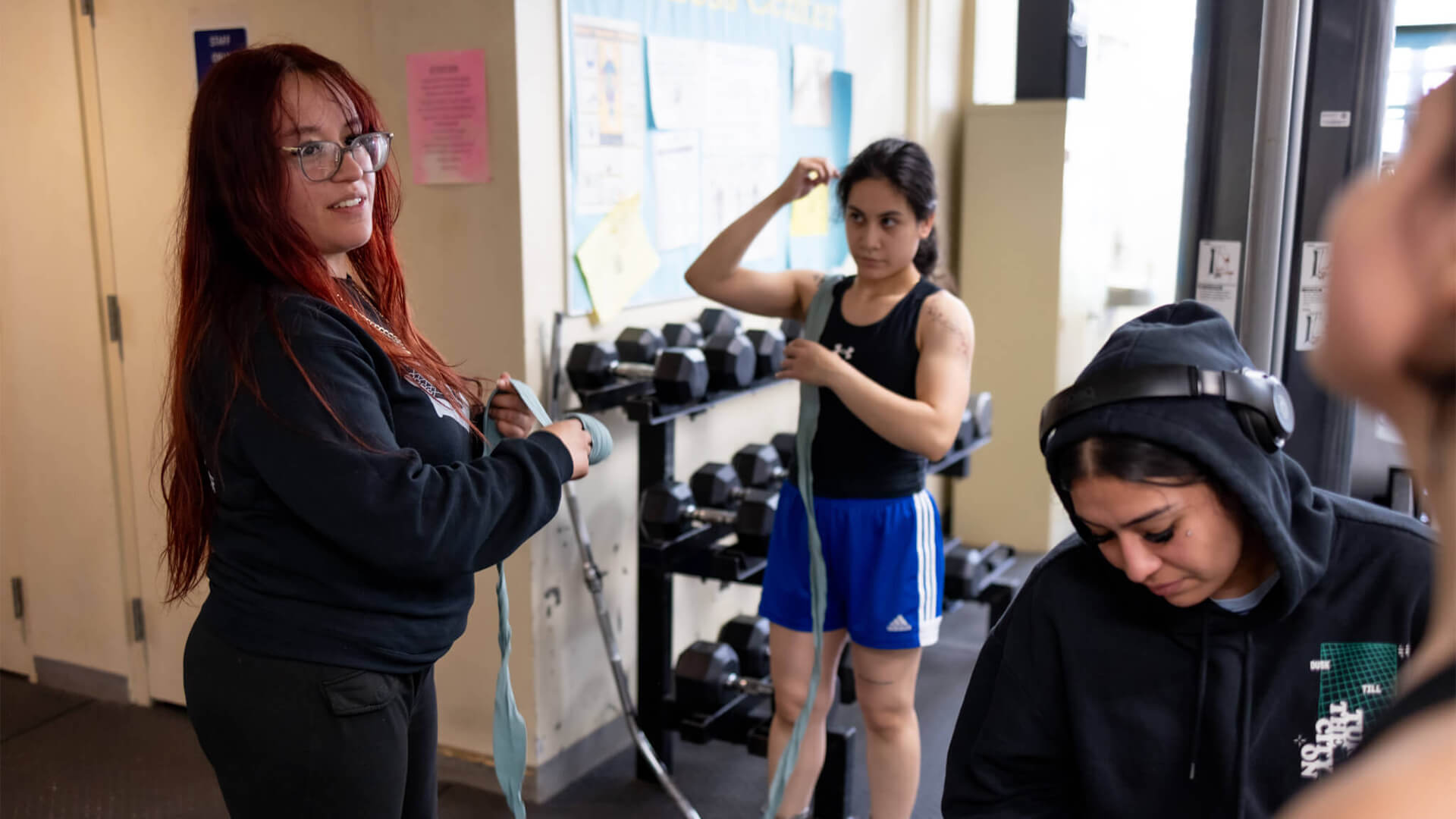
That doesn’t surprise Alina, Dupree, William, or Alyssa. That’s because they all shared a desperate dream of earning a college degree and transforming their lives. But pressured by financial, health, or family demands, they stopped out before graduating. Now, as they try to rebuild their futures, finding a way back to college seems even more difficult–and remote.
They are among the millions of very real people behind today’s newly released numbers from the National Student Clearinghouse of one-time college students who left school without a degree or credential. Seven intimate photographic stories, captured by photojournalist Rachel Bujalski in partnership with Lumina Foundation for a documentary called “Unfinished, Not Over,” show how a lack of money and time, mentors and childcare, cars and housing can derail the most passionate desire to learn and earn a living wage. William came within 15 credits before needing to quit. Now, with grit and determination, they are all trying to find a new path to prosperity.
They have plenty of company. The number of people with some college but no degree or credential continues to grow, with increases in 49 states and the District of Columbia. And even though more than 1 million returned to college in 2024–25, that represents just 2.7 percent of working-age adults who had stopped out, according to the National Student Clearinghouse report.
It matters not just to the people whose dreams are deferred, but also to employers, businesses, and industries that depend on a skilled workforce. Recent estimates suggest that just 15 percent of good jobs in 2031 will be filled by people with just a high school diploma.
This labor-force dynamic between people’s aspirations and employers’ demands is at the heart of Lumina Foundation’s 2040 goal. By 2040, we want to help 75 percent of adults in the U.S. labor force earn college degrees or other credentials of value leading to economic prosperity.
Our goal for the nation is not just about degree attainment, but about helping graduates get jobs that pay off in the fast-changing labor market. We simply cannot hit that goal without engaging adult learners, including those who have stopped out of college.
My colleagues Wendy Sedlak and Mary Laphen Pope recently made three points about serving adults abundantly clear. First, there is no single strategy that helps adults who want to enroll or return to college. Second, educators need to make the experience easy and seamless. Third, we must provide information demonstrating the program’s value and its costs.
Good advice on this topic abounds. Trellis Strategies offers a toolkit for colleges looking to better serve adults. As do studies for the state of Washington by MDRC and for Northern California by the Regional Education Laboratory West of the Institute for Education Sciences at the U.S. Department of Education.
The research is there. And there’s plenty of hope, too. Alina, Dupree, Willam, Alyssa, and the tens of millions of people like them still hold on to their dream of improving their lives through the power of education. It’s up to us to act now to end this growing epidemic.