It’s a two-sided dilemma. By 2031, fully 72 percent of the nation’s jobs will require an education beyond high school. Yet, only 55 percent of working-age Americans have earned a college degree or other credential with value. At the same time, U.S. colleges and universities are heading for a demographic drop-off: With a shrinking pool of 18-year-olds to recruit, enrollments nationwide are plunging, causing many colleges to eliminate majors, reduce programs, and, in some cases, close altogether.
The nation needs a better-educated, better-trained workforce. Many colleges need more students. So, higher education is starting to embrace at least one powerful strategy that addresses both challenges: aggressively recruiting people with college experience who stopped short of earning a degree and returning them to the classroom.
According to the U.S. Department of Education, this “some college, no credential” category defines more than 43 million working adults. It includes all kinds of people, from those who left school after only a semester to those who stopped out a few credits shy of graduation. The barriers to finishing college, both bachelor’s and associate programs, are many and varied: financial constraints, job responsibilities, physical and mental illness, family duties, scheduling conflicts, and an overall lack of direction. More students also face unstable housing situations, and many had their educational hopes dashed by not having a reliable way to get to school.
Even years after they left college, many one-time students who want to go back to school find themselves stymied. Putting an intimate face on this population, photojournalist Rachel Bujalski, with support from Lumina Foundation, chronicled the daily lives of seven individuals who went to college but stopped short of graduation. From across the country, they are a diverse group coping with a range of life challenges. What they share in common is unfulfilled educational promises.
For Americans, this cycle of missed opportunity limits individual opportunity and economic mobility. Addressing these educational barriers is crucial, not only for personal fulfillment but for strengthening the social fabric of American society.
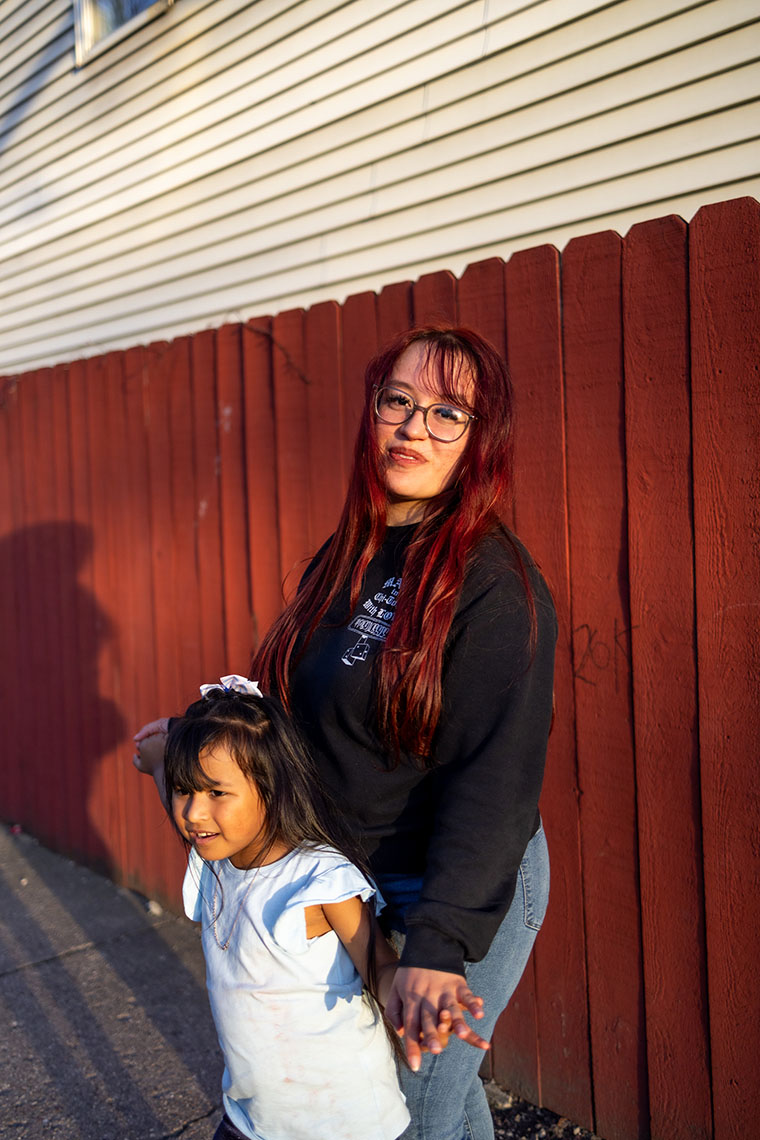
Alina
26, Chicago, Illinois
A future can look very different from the one first imagined without ending the search for opportunity. Alina’s path is shaped by constant negotiation between responsibility and aspiration, movement and stillness, caring for others and preserving something for herself. She has not found an easy route forward, but she continues creating one each day.
For Alina, college was supposed to mark the beginning of a new life. She planned to attend Hawaii Pacific University, drawn to an environment far removed from the Chicago neighborhood where drugs and gang violence were a part of daily life.
Dupree
42, Delray Beach, Florida
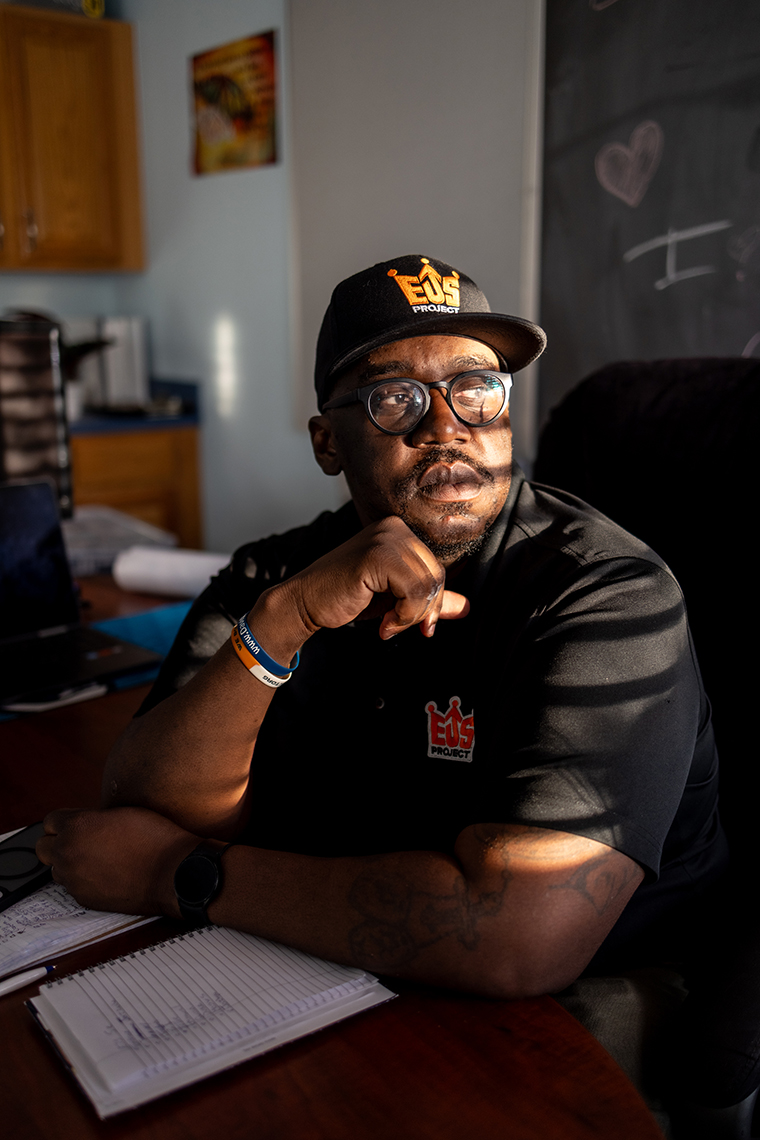
Dupree left college just 18 credits short of a degree, pulled home by concern for a younger cousin. Today, he leads a nonprofit supporting young people whose lives echo his own. His story reveals how family responsibilities can interrupt an education and how unfinished ambitions can still help shape a life of purpose.
Football opened a door to college that had once seemed distant for Dupree. Growing up amid instability in Delray Beach, Florida, he had few examples of academic success around him. Some family members dealt drugs, and police regularly raided his mother’s home. At Boca Raton High School, Dupree spent more time thinking about having fun than planning for higher education. But his ability on the football field earned him an opportunity to play at a community college in Minnesota, taking him far from the circumstances he had known. Once there, staying eligible to play mattered more to him than earning a degree. When his grades slipped and he lost financial aid, he left school and returned to Florida. Back home, he drifted into dealing drugs.
Aaron
20, Santa Cruz, California
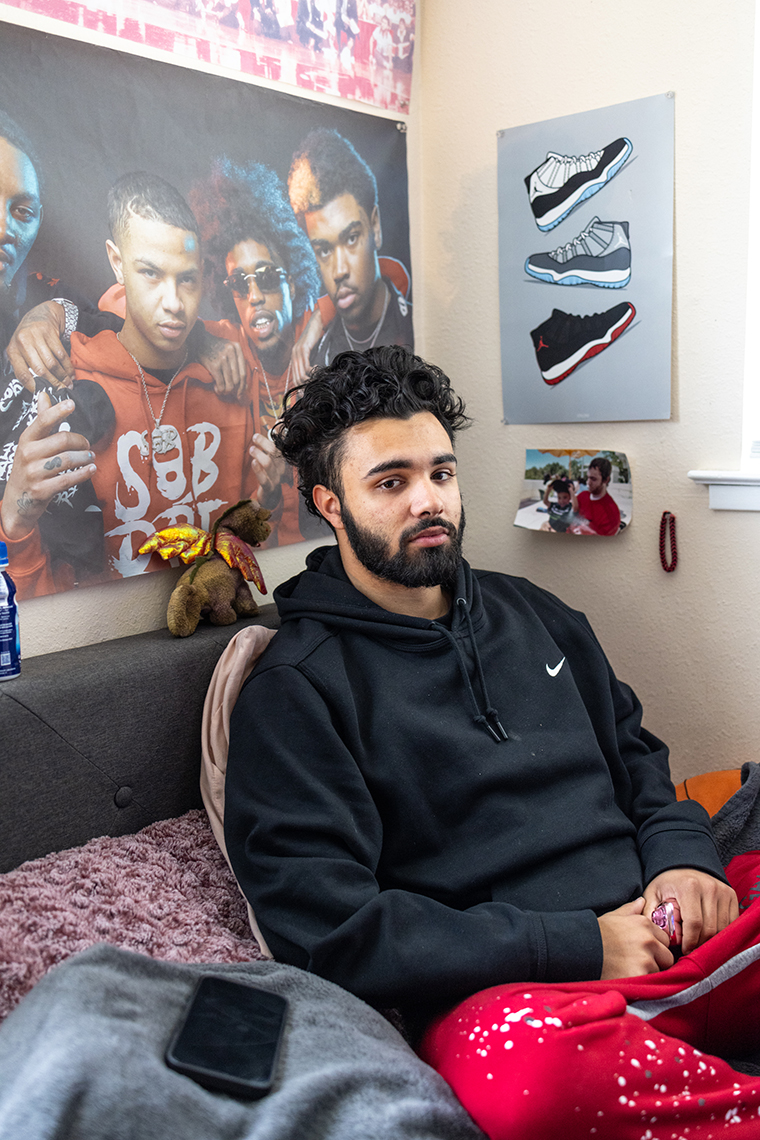
Finding a place to belong has been as important for Aaron as finding a career. Losing financial aid put college out of reach, but it didn’t end his ambitions. Now in barber school, he’s imagining a future with his own shop and perhaps a return to college to learn how to run it.
For Aaron, school was often a place where he struggled to feel he belonged. He had difficulty academically in Redwood City, California, and felt increasingly isolated after his family moved to Santa Cruz. At Scotts Valley High School, he was one of relatively few students of color among largely affluent white classmates.
Sylvie
43, Charlottesville, Virginia
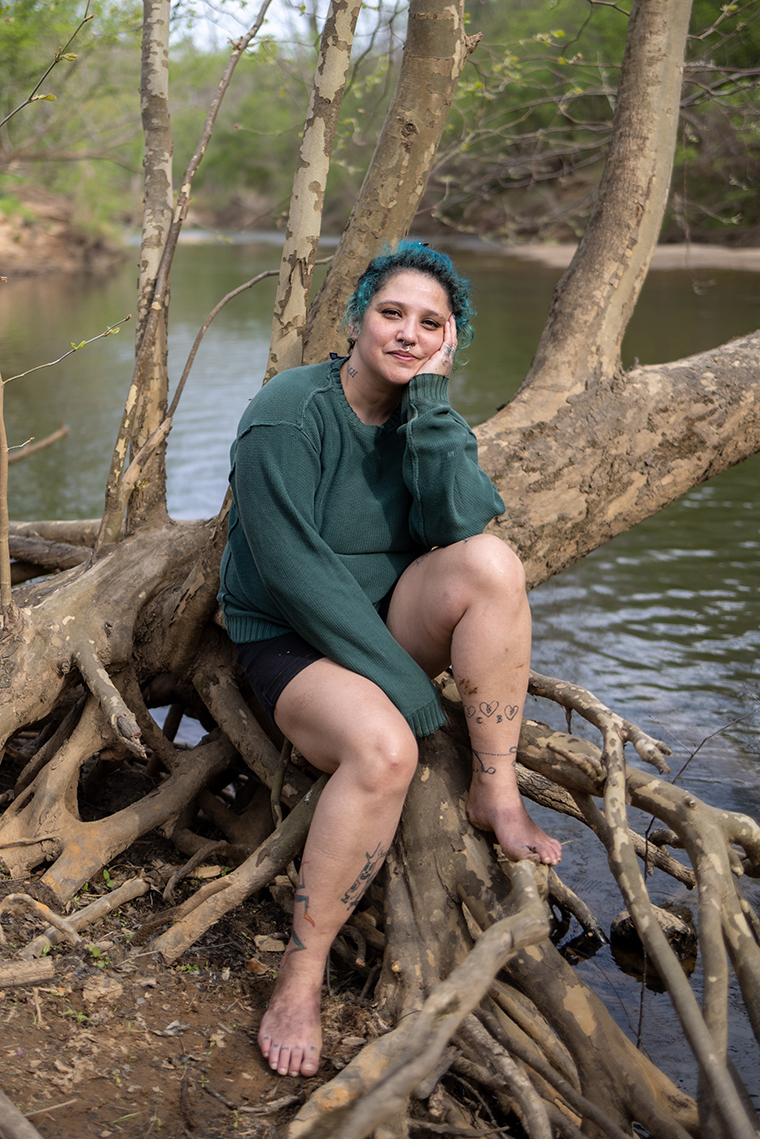
Some college journeys are interrupted once. Sylvie’s has been interrupted again and again, each setback making a degree feel more distant. Still, she has never stopped learning, working, or searching for a way forward. Her story reveals how quickly personal crises can compound and how stubbornly hope can thrive alongside all of them.
Sylvie’s splintered path toward a college degree has taken her across the country and through profound loss, mental health struggles, addiction, and legal trouble. Yet she has continued to imagine a different future for herself and her son.
Learn more about engaging the Some College, No Credential population
Some College, No Credential, 2025 snapshot
The annual progress report series, Some College, No Credential, identifies opportunities in each state to re-engage students.
Read MoreSurvey Report, Spring 2025
Along with financial support, students need child care, stable housing, food, and transportation.
Read MoreFeatured Posts
Millions pressed pause on college. We can help them hit play again.
41.9 million college journeys abandoned contribute to a national crisis
Get higher ed and workforce news, delivered daily.
Lumina Daily News features top stories and reports from news sources we follow to keep up with the fast-paced worlds of work and learning.
Subscribe