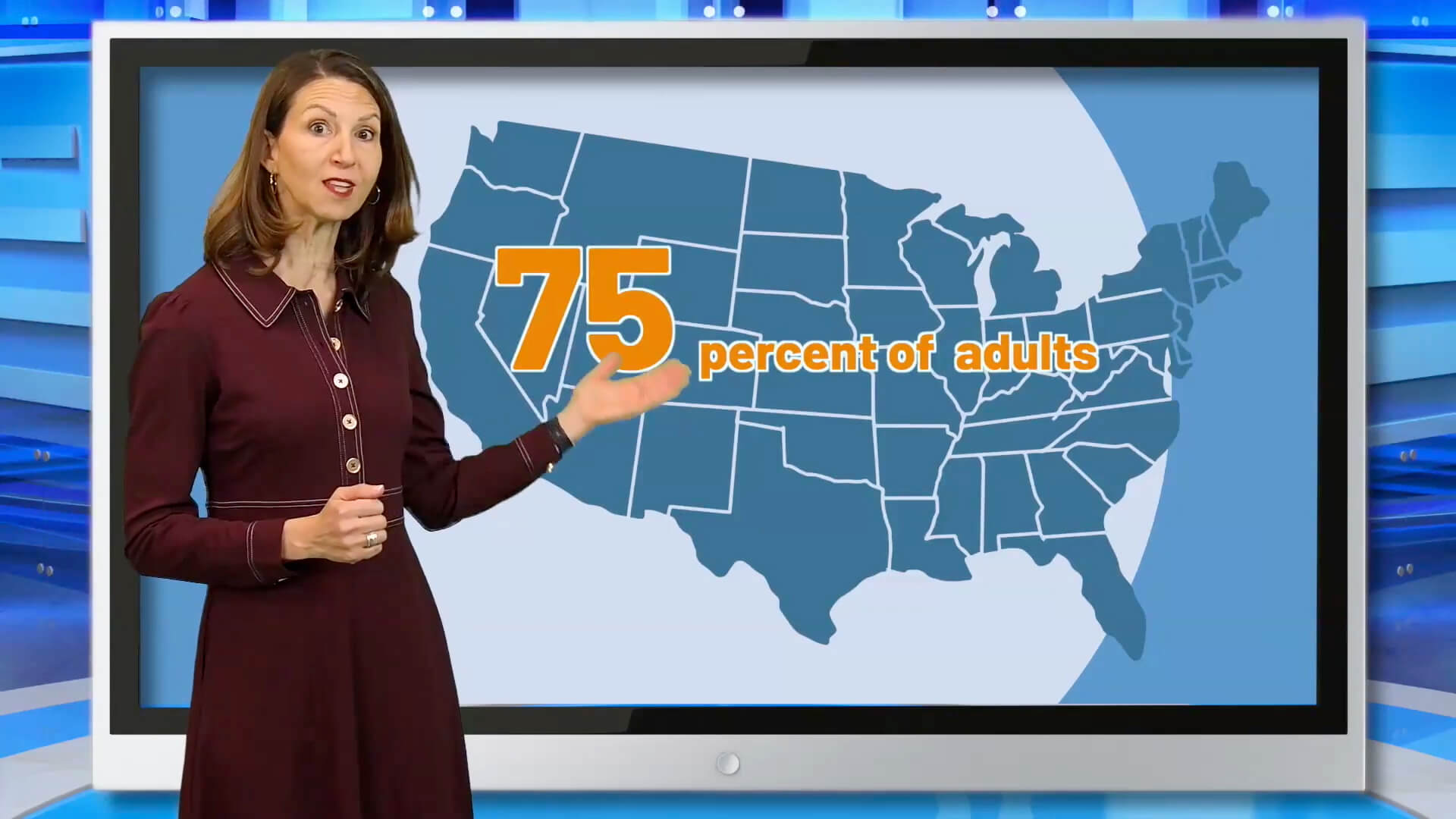
New baseline shows 43.6 percent of U.S. adults in the labor force have degrees or other credentials with economic value; the goal is 75 percent by 2040.
INDIANAPOLIS—More Americans have formal education or training after high school, but new federal data show the country is far from meeting long-term demand for talent and ensuring widespread economic opportunity.
Lumina Foundation today released its annual A Stronger Nation update. These data show that 43.6 percent of U.S. adults who are working, looking for work, or serving in the military have college degrees or other credentials such as certificates or industry-recognized certifications that offer clear economic benefits over a high school diploma.
The full A Stronger Nation report, including interactive state-level data, is available at strongernation.luminafoundation.org. This year’s release establishes the national baseline for Lumina’s 2040 goal and begins a new era of annual accountability—tracking not just how many credentials Americans earn, but whether those credentials translate into real economic opportunity.
After 16 years working with like-minded leaders and organizations to increase the nation’s educational attainment level, Lumina set a new national goal last spring: By 2040, 75 percent of working-age adults in the labor force will have colleges degrees or other credentials with value leading to economic prosperity. These data offer the clearest picture through 2040 of whether the U.S. workforce is prepared for long-term economic prosperity—and where gaps threaten growth, competitiveness, and mobility.
To help make sense of the findings, Lumina will host a live webinar at 2 p.m. EST Thursday, Feb. 5, featuring data journalist Steve Kornacki. Known for translating complex election data into clear, compelling visuals, Kornacki will use interactive maps to show where states are gaining ground, where they are falling behind, and what the data suggest about the future of U.S. workers.
Webinar participants will be among the first to see how their states compare nationally and what the data reveal about closing the gap between education, training, and economic prosperity.
“Our objective in encouraging and supporting leaders in business, government, higher education, the nonprofit sector, and workforce development to pursue the 75 percent goal is not simply to foster more learning after high school,” said Jamie Merisotis, Lumina’s president and CEO. “We want this learning to help people experience economic gains and social mobility that renew American prosperity.”
The 75 percent goal focuses specifically on degrees and credentials that deliver economic value in the form of earnings at least 15 percent greater than those of the median high school graduate. This requirement begins to reflect what most Americans expect from education and training after high school: useful knowledge, practical skills, and a return on the time and money people and the American public invest.
The 2040 goal builds on almost two decades of progress in educational attainment. Since Lumina began tracking post-high school education in 2008, the share of adults with degrees or credentials has steadily increased. Today, 54.8 percent of adults ages 25 to 64 have received education or training after high school leading to college degrees, certificates, and industry certifications.
But the data challenge a common assumption: Not all post-high school credentials deliver strong economic returns. While most bachelor’s and graduate degrees meet Lumina’s minimum earnings benchmark, economic value varies widely for associate degrees, certificates, and other short-term credentials.
“To reach 75 percent, more adults will need degrees and short-term options such as certificates and industry certifications,” said Courtney Brown, Lumina’s vice president of impact and planning. “But the degrees and other credentials people earn must position them for workforce success and financial security.”
A Stronger Nation also highlights differences across states. Some states are close to or have met the 60 percent attainment goal. Others face more significant challenges in strengthening education-to-career pathways and connecting learning to jobs.
The goal of 75 percent by 2040 reflects changes in the economy and the growing need for learning beyond high school. As technology reshapes industries and jobs continue to evolve, workers increasingly need knowledge and skills aligned with employer demand.
“These baseline numbers show how far we have to go,” Brown said. “We have to continue to rethink how education and career training work in the United States.”
As the nation debates the future of work, A Stronger Nation data make one thing clear: It’s no longer a question of whether a higher percentage of Americans need education and training after high school, but whether that learning delivers on its economic promise.