Next level
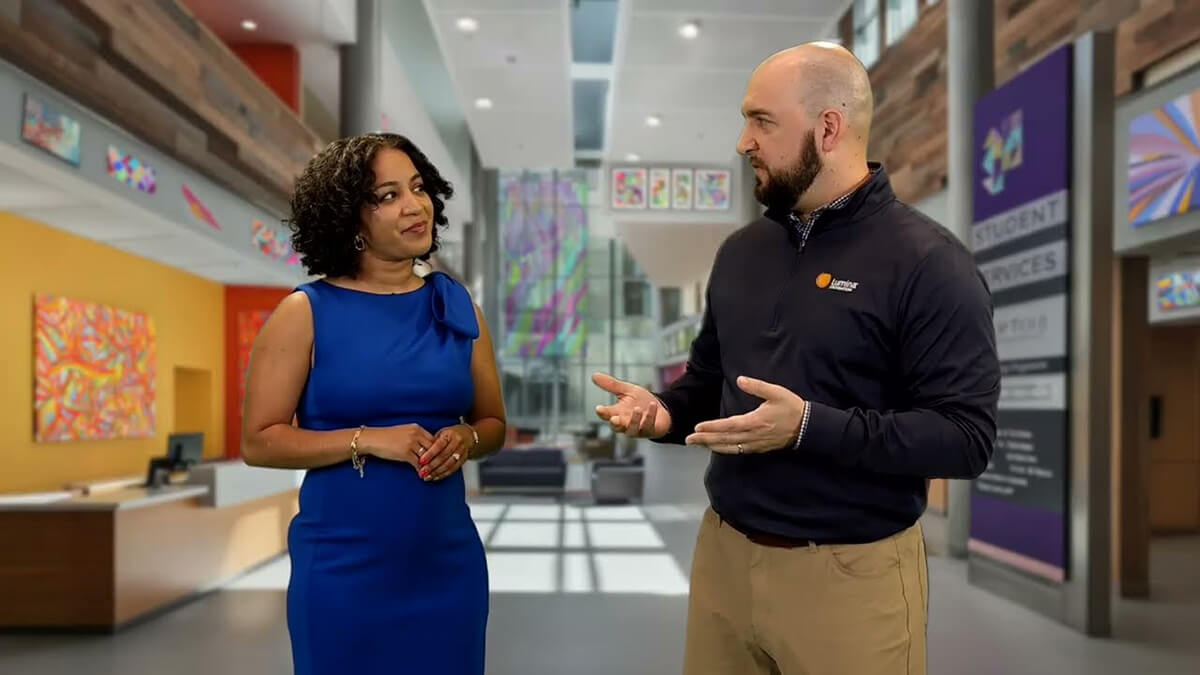
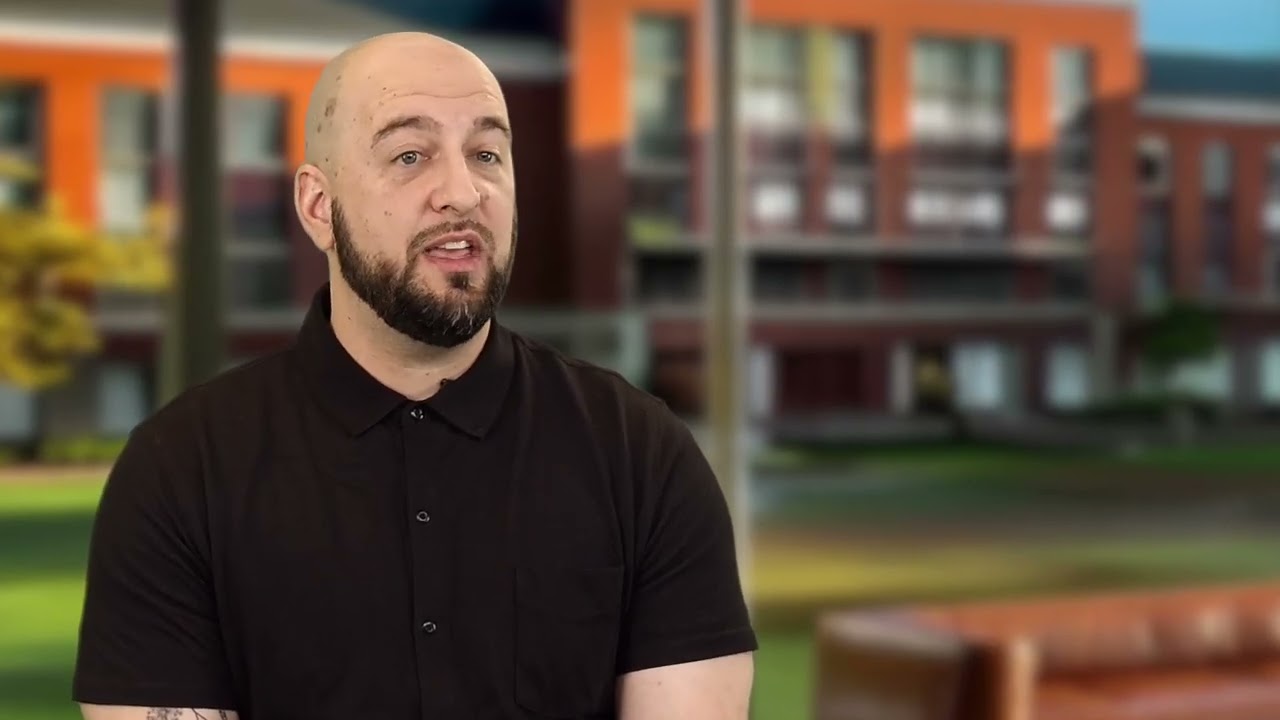
With this funding, the campuses can take their HIPS work to the next level. Hear from Rob Shorette, Strategy Officer for Credentials of Value.
Video Runtime:
0:30 Indianapolis—Lumina Foundation today announced the selection of 16 colleges and universities from across the United States to participate in From Campus to Career, a national initiative designed to scale career-connected high-impact practices (HIPs) and strengthen workforce outcomes for students. Read more »
By Rob Shorette • March 17, 2026—High-impact practices have long been part of higher education for years. Yet too often, they are treated as optional experiences available to only some students. A new generation of colleges and universities is working to change that by embedding career-connected learning directly into the fabric of the undergraduate experience so that every student can connect their education to meaningful work.
With this funding, the campuses can take their HIPS work to the next level. Hear from Rob Shorette, Strategy Officer for Credentials of Value.
Practices are intentionally designed into the curriculum to foster career-connected learning. Hear from Jasmine Haywood, Strategy Director for Credentials of Value.
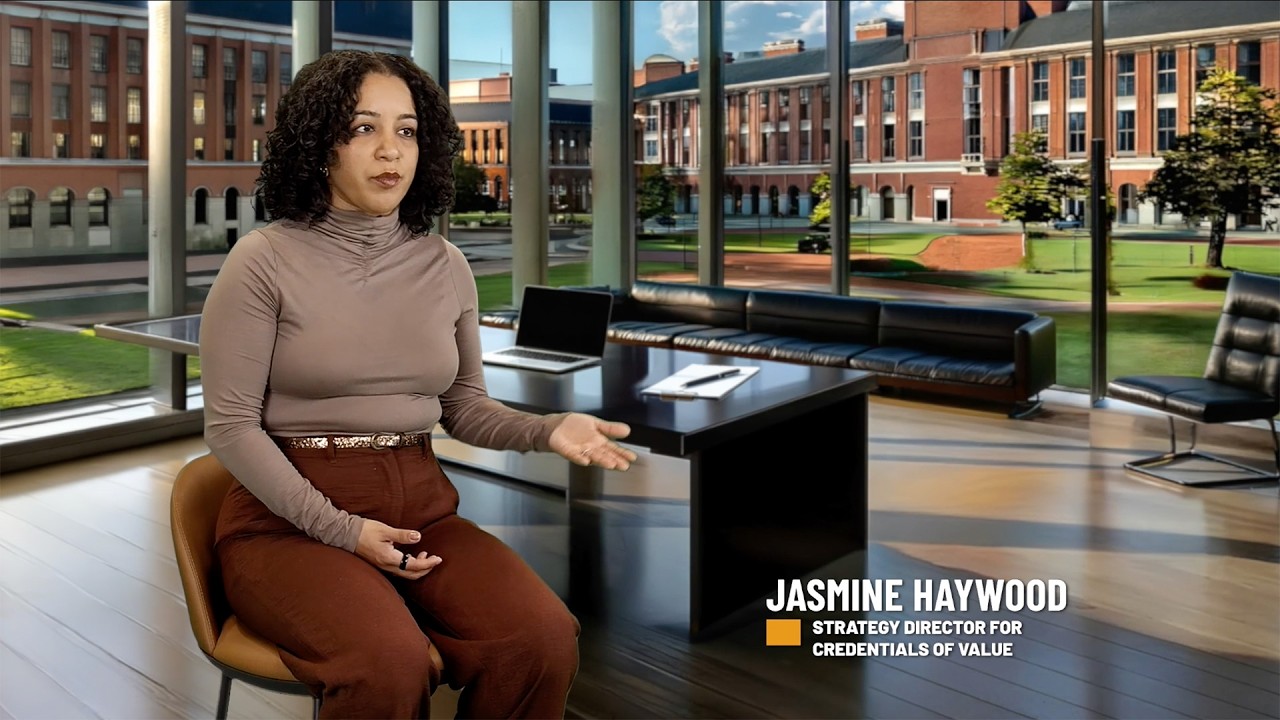
Ensuring credentials provide the promised value to help us reach Goal 2040. Hear from Debra Humphreys, Vice President of Strategic Engagement.

The American Association of Colleges and Universities has designated several “high-impact practices” that research shows bring significant educational benefits to students. Among them are common intellectual experiences, diversity and global learning, first-year experiences, collaborative projects, writing-intensive courses, community-based learning, and undergraduate research.
Learn the 11 designated high-impact practices and get more resources at AAC&U
Idaho Partnership Secures National Grant to Simplify College Pathways for Students
MDC Receives National Grant to Simplify College Admissions, Boost Enrollment and Student Success
MADISON, Wis.—The Universities of Wisconsin will use a $100,000 grant as part of Lumina Foundation’s Great Admissions Redesign initiative to identify math courses that prepare students for college...


Lumina Foundation is committed to creating a post-high school learning environment that’s accessible, lifelong, and prepares everyone for a global future. To realize this vision, Lumina works to ensure that, by 2040, 75 percent of adults in the U.S. labor force will have a college degree or other credential of value leading to economic prosperity. Central to this vision is scaling career-connected high-impact practices (HIPs) in higher education—experiences like internships, undergraduate research, study abroad, service learning, and capstone projects that bridge academic learning with real-world workforce preparation.
HIPs consistently and effectively promote student engagement, deep learning, and degree completion. When intentionally aligned with career pathways, these experiences further support students’ readiness for the workforce, help close gaps in student outcomes, and strengthen connections between academic learning and labor market needs.
Initially introduced as an “umbrella” concept to capture a vision for next-generation teaching and learning, HIPs quickly gained traction and became widely adopted across higher education. However, HIPs were often reduced to checklists rather than deeply integrated curricular programs and pathways.
Today, the field is undergoing a critical shift. We now understand that simply offering HIPs is not enough. Success depends not just on their presence, but on how well they are implemented and who has access to them. To truly fulfill their promise, HIPs must be delivered with intentionality, integrated into students’ academic and career pathways, and designed to ensure participation and meaningful outcomes for all learners—especially Black, Hispanic, Latino, and Native American students, as well as students from low-income families.
This new era of HIPs calls for innovation, alignment, and scale to move beyond checked boxes to transform the undergraduate experience in inclusive, career-connected ways.
The peer learning and collaborations amongst funded institutions will be facilitated by Excelencia in Education, American Association of State Colleges and Universities (AASCU), and Center for Innovation in Postsecondary Education (CIPE).
With funding ranging from $80,000–$100,000 for up to 15 institutions, this opportunity goes beyond grant support—it offers the chance to shape national practice, join a peer learning community, and access technical assistance from experts in the field.